
Statement Chairs: How to Use Accent Chairs in Any Room
A good accent chair does two jobs at once. It gives people somewhere to land, and it gives the eye somewhere to rest. Get the scale and placement right and a room reads as finished; get them wrong and the chair just sits there, sulking.
What Makes a Chair a Statement
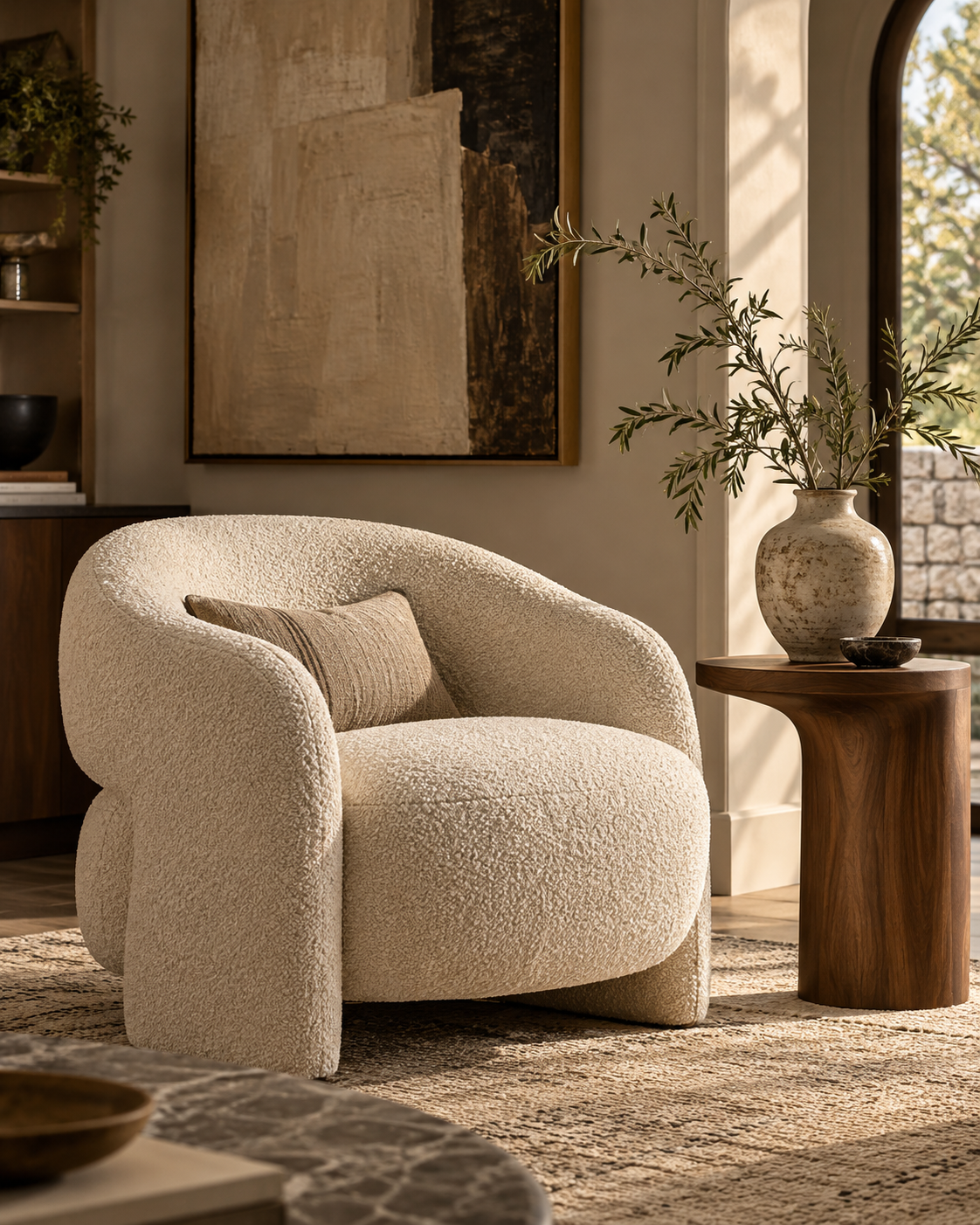
A statement chair earns the name in one of two ways. It can be bold in silhouette, think a barrel back, a wide wing, a low slipper shape with a generous seat. Or it can be quiet in shape and bold in surface: nubby bouclé, saturated velvet, a glossy lacquered frame.
Pick one. If the shape is dramatic, keep the fabric calm and the color neutral so the curve does the talking. If the shape is simple, let texture carry it. Doing both at once is how a corner starts to feel shouty, and a shouty corner is one nobody wants to sit in.
There is a third path: quiet shape, quiet fabric, exceptional detail. A visible cane back, a hand-turned walnut leg, a channel-stitched seam. That chair looks considered without trying, and it ages better than any trend.
Measure Before You Fall in Love
Showroom light flatters everything. Tape measure first.
- Seat height: 17 to 19 inches for a lounge chair you sink into; 18 to 20 inches if it will double as dining seating.
- Seat depth: 20 to 22 inches suits most people. Past 24 inches, you need a lumbar pillow or your feet won't touch the floor.
- Arm height: 24 to 26 inches from the floor. Choose a side table within an inch or two of that so a cup lands comfortably.
- Clearance: leave 30 to 36 inches of walking space in front of any chair that sits in a main path.
Before you buy, lay painter's tape in the chair's footprint and live with it for a day. It sounds fussy. It saves returns.

Living Room: Angle It, Don't Line It Up
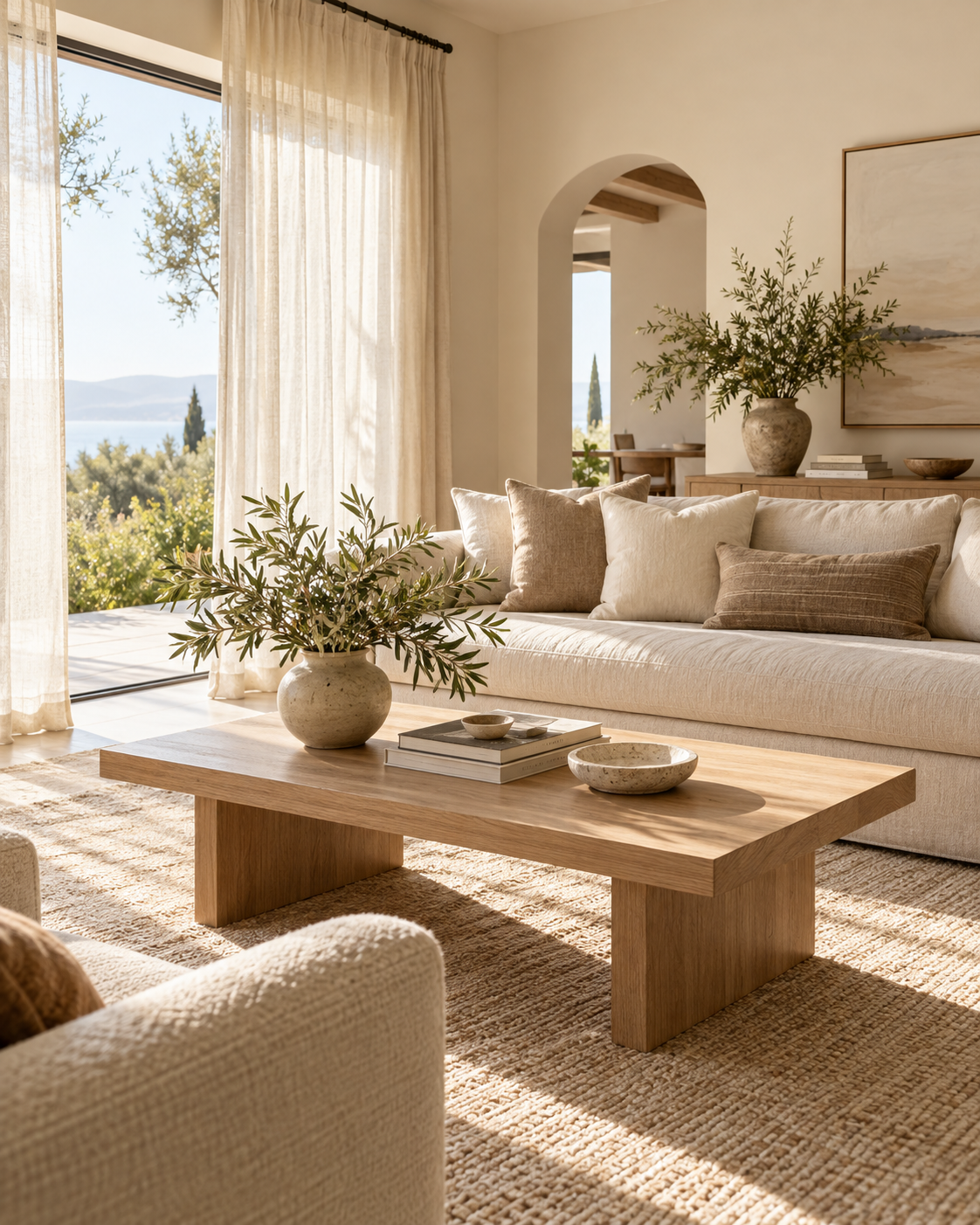
The fastest fix for a sofa that feels stranded is one chair turned about 45 degrees toward it. That angle builds a conversation pocket and breaks the runway look of furniture pushed flat against walls.
Leave roughly 18 inches between chair and sofa. Close enough to talk, far enough to walk through. With room for two, place a small round table, 16 to 20 inches across, between them and set both chairs at the same angle. Matching chairs are calm; mismatched chairs are interesting, but only if they share one thing, such as back height or wood tone.
Keep the front legs on the rug and the rug's edge at least 6 inches behind them. A chair perched half off the rug looks like an accident.
Three More Rooms, Three Quick Placements
Bedroom. A chair at the foot of the bed needs 36 inches of clearance to be used daily. Under that, it reads as an obstacle. In a corner, angle it toward the window with a floor lamp and an 18-inch side table for a genuine reading spot.
Entry. Keep it narrow, 24 to 30 inches wide, pushed to one side so the path stays clear. In a tight hall, choose a chair or a bench, not both.
Dining room. Host chairs at the ends of the table can have arms if those arms clear the apron and slide under. If they bump, they get shoved out, and the whole table looks crowded.

Materials and Color, Briefly
Texture hides wear. Wool, linen blends, performance weaves, and leather forgive daily use. Velvet shows every handprint but catches light beautifully, so keep it off the chair that gets the most traffic. Cane and solid wood frames in walnut, ash, or oak add warmth and let a small chair read lighter than it is.
On color, pull a shade from your rug or artwork and go one step deeper than you think you need. One saturated chair in a neutral room can hold an entire corner on its own.
FAQ
Can two accent chairs in one room be different? Yes, and often they should be. Match them in scale and back height, then let fabric or frame differ. Identical pairs look tidy; near-matches look collected.
What if the chair is mostly decorative? Then favor posture over softness. A firm seat and a tall back hold their shape. Add a throw so guests still want to sit down.
How do I place a chair in a small room? Tuck it into a corner at 45 degrees, skip the ottoman, and use a slim floor lamp instead of a bulky table lamp.
A statement chair is not the piece you buy last and hope for the best. Measure the floor, decide whether the drama lives in the shape or the surface, and angle it toward the people in the room. Then sit down. That is the only test that really counts.
Saroj Jain is a designer boutique in Bengaluru — visit us in person or get directions.