

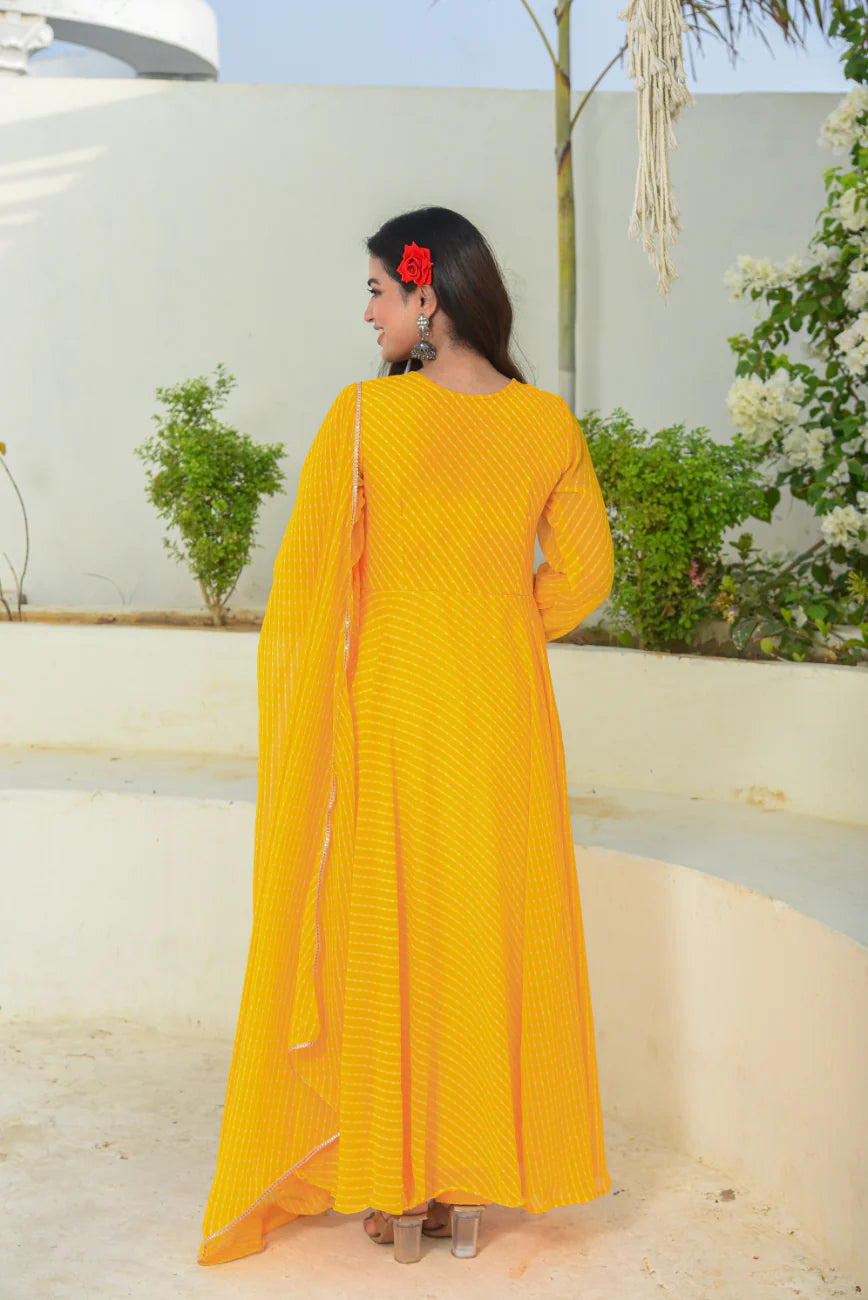
Devotee-Friendly Kurta Sets for Shivaratri | Temple Ready

For devoted Shiva bhakts, Shivaratri isn't a social occasion—it's the most sacred night of the year. Every aspect of the day, including what you wear, should support your spiritual practice. This guide is for devotees who need their outfit to work through hours of worship, multiple prostrations, abhishekam, meditation, and all-night jagran.
What devotional worship requires from your outfit
Real worship involves physical action:
Physical demands of devotion
- Prostrations (sashtanga namaskar): Full-body bowing
- Sitting meditation: Hours on hard temple floors
- Abhishekam participation: Water/milk may splash
- Circumambulation (pradakshina): Walking around garbhagriha
- Standing for aarti: Extended periods on feet
- Arm movements: Raised hands for prayers
Your kurta must support all of this without becoming a distraction.
Kurta features for serious devotees
Neckline considerations
- Modest enough for prostrations: You'll be face-down
- Secure closures: Nothing that gapes during bowing
- Simple round or mandarin: Most reliable for modesty
- Avoid deep V or loose boat necks: Problematic when bending
Sleeve design
- Three-quarter length ideal: Free for aarti movements
- Not too voluminous: Can interfere with rituals
- Secure cuffs if long: Won't dip into offerings
- Comfortable arm movement: Test by raising arms overhead
Length practicality
- Mid-calf length: Sits properly during floor seating
- Not floor-length: Gets dirty, trips during circumambulation
- Not too short: Must maintain modesty in all positions
Fit considerations
- Loose in torso: Allows bending, prostrations
- Not so loose it's unwieldy: Should stay in place
- Comfortable across back: Stretches needed for namaskar
- Allows cross-legged sitting: Test before wearing
Color significance for devotees
For serious bhakts, color choice carries meaning:
White (Shweta)
- Most traditional for worship
- Represents purity, readiness for divine connection
- Preferred by many devotees for major festivals
- Practical concern: shows every mark
Grey (Bhasma-inspired)
- Connected to Shiva's sacred ash
- Humble, contemplative choice
- Hides wear through long night
- Sophisticated devotional aesthetic
Blue (Neelkanth)
- Honors Shiva's selfless act of holding poison
- Spiritually significant
- Works for all temple activities
- Flattering and practical
Rudraksha brown accents
- If outfit has border or details
- Connects to sacred beads
- Natural, earthy, grounded
Fabric for temple worship
Priority: Durability + comfort
- Must survive long hours
- Must allow all worship positions
- Must handle potential water splashes
Best choices
- Medium-weight cotton: Breathable, durable, appropriate
- Khadi: Spiritual association, sturdy
- Cotton-silk: Slight elevation for important night
- Handloom: Traditional, supports artisans
Avoid
- Pure silk (restricts movement, hot, too precious for vigorous worship)
- Synthetic (traps heat, uncomfortable)
- Anything delicate (abhishekam water, prasad marks)
Practical worship features
Pockets
- Rare in ethnic wear but incredibly useful
- Hold small items: sacred thread, vibhuti packet, small photos
- Keep hands free during worship
- Side-slit pockets if available
Dupatta management
- Skip entirely: Many devotees prefer this for active worship
- Short stole length: Easier than full dupatta
- If keeping: Pin very securely before entering temple
- Crossing technique: Pin across body so it stays during prostrations
Hair covering (if preferred)
- Dupatta or separate scarf for covering head
- Some women prefer covered hair during worship
- Should stay secure without constant adjustment
Position-testing your outfit
Before Shivaratri, test:
- Prostration test: Lie face-down—does neckline gap? Does length work?
- Sitting test: Cross-legged for 10 minutes—does waistband dig? Can you breathe?
- Arm raise test: Raise both arms—do sleeves slide uncomfortably? Can you hold position?
- Forward bend test: Touch the ground—do you have needed flexibility?
- Walking test: Walk briskly—does length interfere? Does anything shift?
If outfit passes all tests, it's worship-ready.
Shivaratri day schedule outfit planning
Morning (Temple visit 1)
- Fresh outfit for first darshan
- White or light colors for morning
- Full worship-ready
Evening (Temple visit 2, approaching jagran)
- May continue same outfit or change
- Slightly darker color acceptable
- Prepare layers for cooling evening
Night (Jagran through sunrise)
- Your most comfortable worship-ready outfit
- Darker colors practical (grey, deep blue)
- Warmth layers accessible
- This should be your most tested outfit
FAQs
Q: What kurta works best for doing namaskar/prostrations? A: Choose kurtas with secure, modest necklines (round or mandarin collar), mid-calf length, and loose fit across the chest and back. Avoid deep necklines, floor-length styles, or tight fits.
Q: Should I wear dupatta for temple worship? A: Many devotees skip dupatta during active worship—it can interfere with prostrations and rituals. If you prefer to wear one, pin it very securely before temple.
Q: What color is most appropriate for devoted Shivaratri worship? A: White is most traditional for intensive worship, representing purity. Grey (bhasma) and blue (Neelkanth) are equally appropriate and more practical for long nights.
Q: How do I keep my outfit in place during vigorous worship? A: Test all movements before the day. Choose outfits that don't require adjustment—secure necklines, appropriate lengths, minimal loose elements. Pin any dupattas securely.
Q: What do serious devotees avoid wearing for Shivaratri? A: Avoid elaborate embellishment, impractical lengths, restrictive fits, deep necklines, and any outfit that requires constant adjustment. Focus should be on worship, not clothing management.
Shop Kurta Sets → Shop Kurta Sets Explore New Arrivals → Explore New Arrivals View Size Guide → View Size Guide






Leave a comment
This site is protected by hCaptcha and the hCaptcha Privacy Policy and Terms of Service apply.