

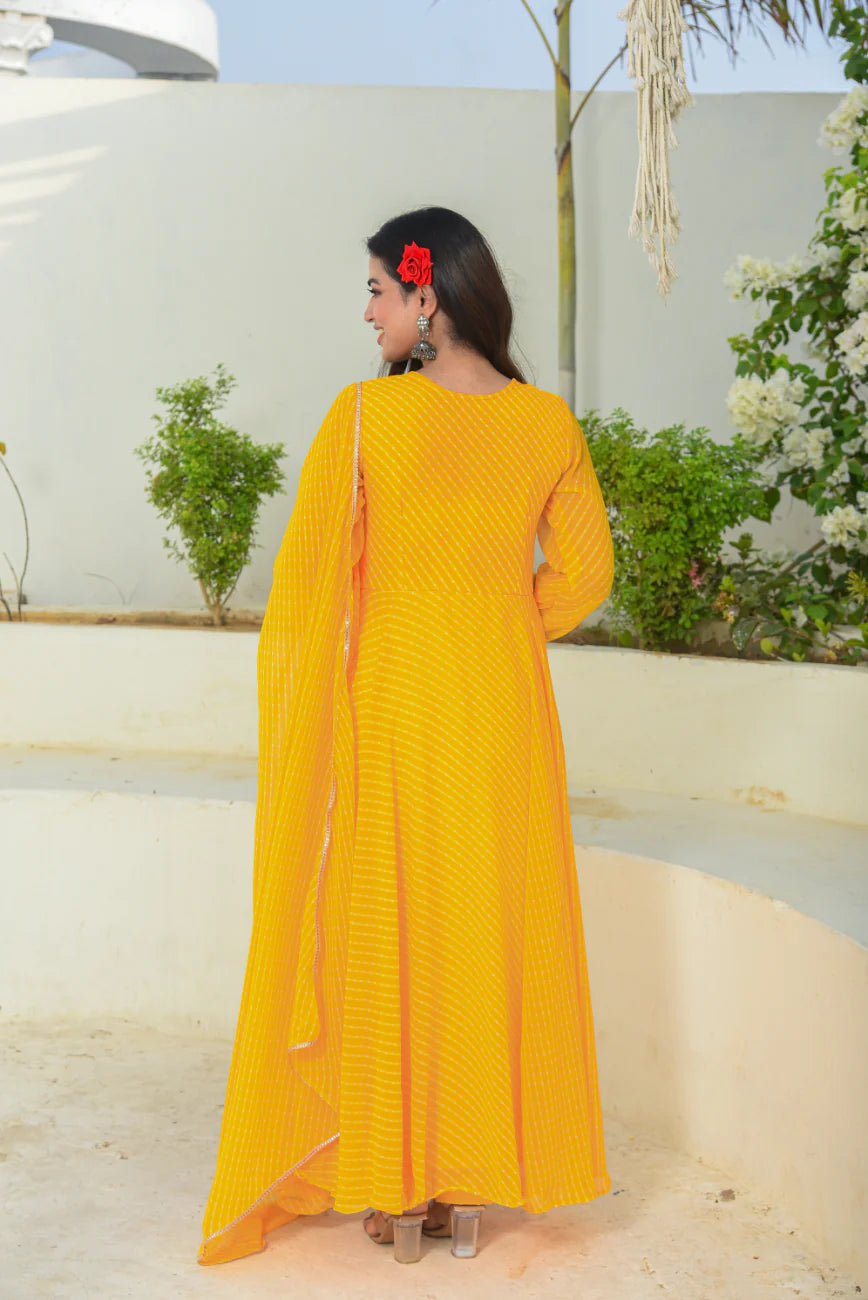
Temple Visit Kurta Sets for Maha Shivaratri 2026

Shiva temples during Shivaratri are crowded, devout, and intensely spiritual spaces. Whether you're visiting the local neighborhood temple or making a pilgrimage to Varanasi, Ujjain, or Somnath, your outfit needs to be appropriate for worship while surviving hours of standing, sitting, and moving through crowds.
What makes a kurta temple-appropriate
Temple dress codes aren't always written, but tradition has unspoken guidelines:
Modesty requirements
- Covered shoulders: Full or three-quarter sleeves preferred
- No deep necklines: You'll be bending for darshan
- Knee-length or longer: Short kurtas aren't appropriate
- Covered midriff: No crop tops or styles that ride up
Practical requirements
- Easy to sit on floor: Many temples have floor seating
- Quick to manage: No elaborate draping during crowded darshan
- Temperature appropriate: Temples can be hot (crowds) or cold (marble floors)
- Easy on-off footwear: You'll remove shoes frequently
Best kurta silhouettes for temple
1. Straight kurta with churidar
Why it works: Classic, appropriate everywhere, comfortable for sitting Details: Keep length at mid-calf, choose simple neckline, select cotton or cotton-blend
2. A-line with palazzo
Why it works: Relaxed fit for floor sitting, modest coverage Details: Ensure palazzo isn't too wide (can get dirty on temple floors)
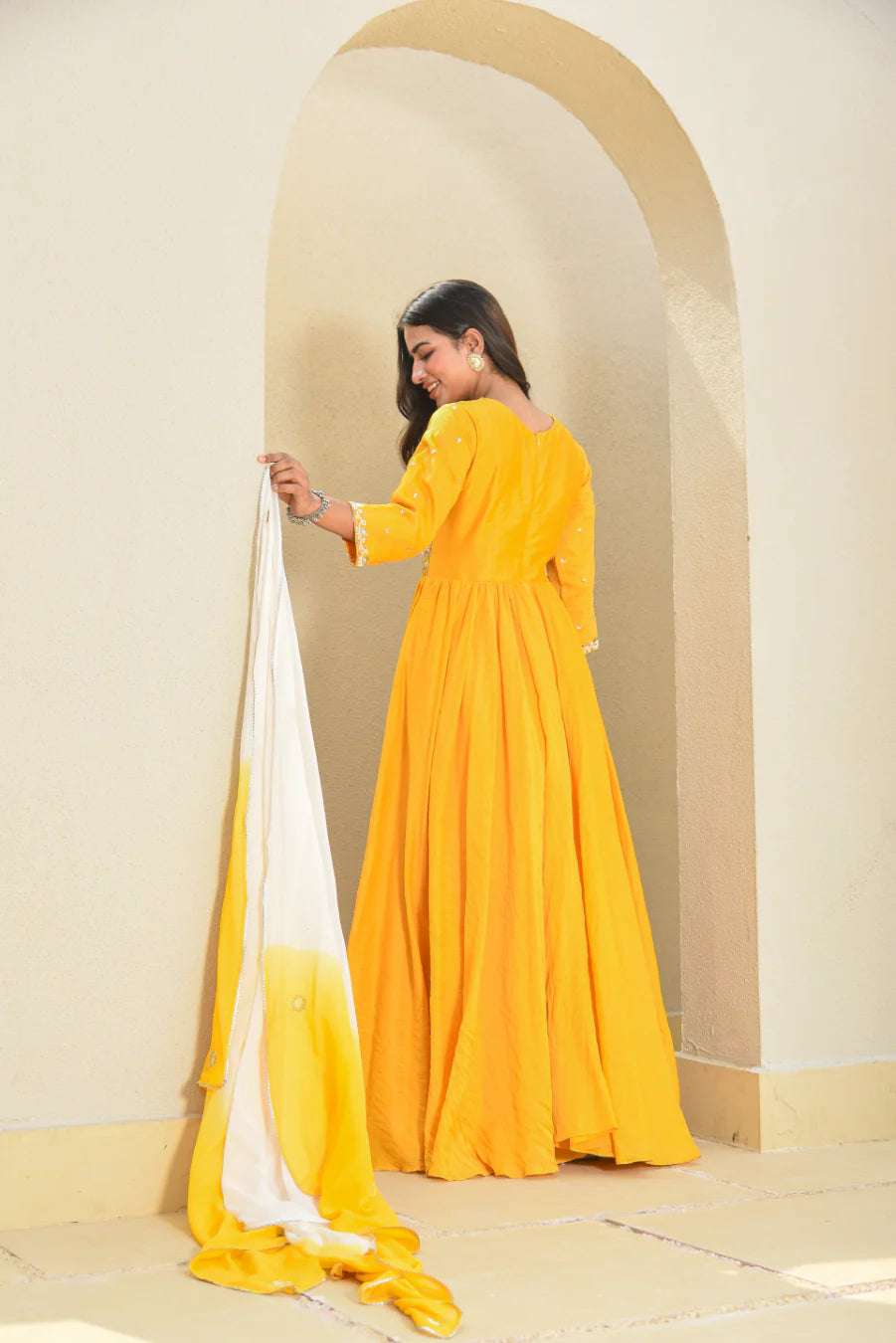
3. Anarkali-style
Why it works: Traditional, graceful, naturally modest Details: Avoid heavy embroidery versions—keep it simple for Shivaratri
4. Angrakha (wrap-style) kurta
Why it works: Traditional closure style, very appropriate for temples Details: Secure the ties well before entering crowded spaces
Colors appropriate for Shiva temples
Most appropriate colors
- White/Off-white: Purity, vibhuti color, most traditional
- Blue: Neelkanth, spiritually significant
- Light grey: Bhasma (sacred ash) inspired
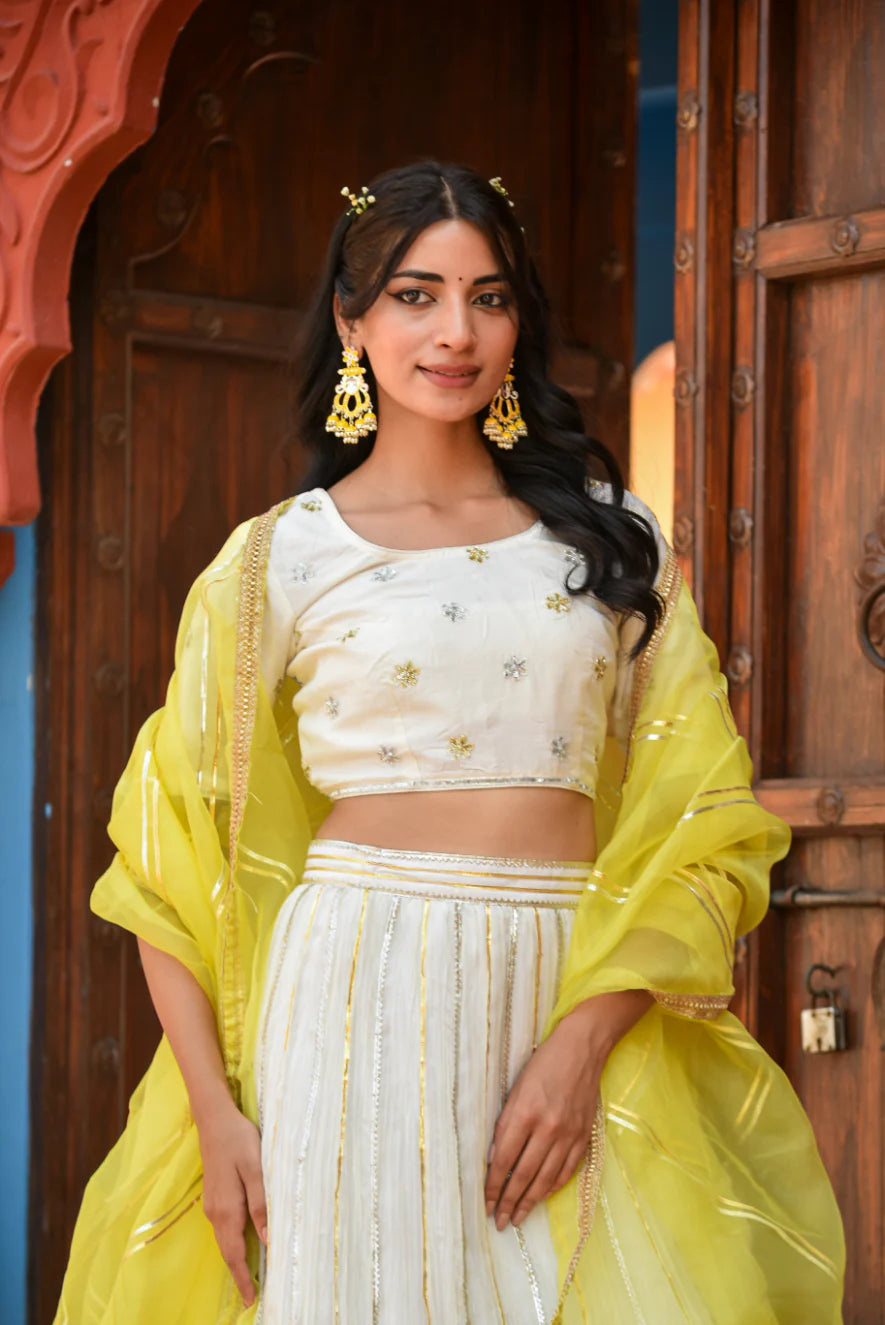
- Ivory with colored border: Traditional yet refined
Acceptable alternatives
- Deep maroon (meditative)
- Subtle violet/purple (spiritual association)
- Muted green (acceptable, not primary choice)
Colors to avoid
- Very bright/neon shades
- Heavy prints or patterns
- Black (some temples discourage)
Fabric considerations for temple visits
Hot temple days (crowded darshan)
Best: Pure cotton, khadi, lightweight handloom Why: Breathable, absorbs sweat, stays fresh
Cold temple floors (early morning or large temples)
Best: Cotton-silk blend, medium-weight cotton Why: Some warmth, still appropriate
Temples with water abhishekam
Best: Fabrics you don't mind getting splashed Why: Holy water may splash during rituals. Dark colors hide marks better
Practical temple visit styling
Dupatta management
- Pin it securely: Both shoulders, cross-body, or specific temple style
- Or skip it entirely: Many women prefer dupatta-free for crowded temples
- Short dupatta: Stole-length is easier than full-length
Hair
- Tied up and secured: Bun, braid, or tucked hair
- Reason: Loose hair can be impractical in crowds and near temple lamps
Jewelry
- Minimal: Simple studs or small jhumkas
- Rudraksha: Most appropriate for Shivaratri specifically
- Skip: Long necklaces, heavy bangles, anything that swings or catches
Footwear
- Easy slip-on: Kolhapuris, basic chappals, slip-on flats
- Why: Constant removal and wearing at temple entrances
- Tip: Carry socks for cold marble floors
Temple-specific considerations
Small neighborhood temples
- Regular temple-appropriate dressing
- Less strict about colors
- Comfort-focused
Large pilgrimage temples (Varanasi, Somnath, Mahakaleshwar)
- Be prepared for crowds, long waits, restricted pathways
- Simpler outfits easier to manage
- Valuables should be minimal/secured
Evening and night darshan
- Warmer layers needed
- Darker colors acceptable (less visible dirt)
- Very comfortable footwear essential
Position-friendly outfit checks
Check before you go:
- Sitting test: Can you sit cross-legged comfortably?
- Bending test: Does neckline stay modest when bowing?
- Arm raise: Can you hold hands above head for aarti?
- Floor contact: Is length appropriate for temple floors?
What to carry for temple visits
- Phone in secure pocket or small bag
- Small purse for prasad
- Hanky or small towel
- Water bottle (staying hydrated during fast)
- Sweater/shawl for cool temples
FAQs
Q: What should I wear to Shiva temple on Shivaratri? A: Wear a modest kurta set in white, blue, or grey. Choose covered neckline, sleeves covering shoulders, and comfortable length. Keep styling minimal for temple-appropriateness.
Q: Can I wear pants instead of salwar to temple? A: Yes—straight pants, palazzos, or regular trousers are appropriate as long as they're modest. Avoid very tight fits or very casual styles like jeans.
Q: Is there a dress code for Shivaratri temple visits? A: While not written, temples expect modest dressing—covered shoulders, no revealing necklines, appropriate length. White, blue, and light colors are traditional choices.
Q: What should I avoid wearing to temple? A: Avoid sleeveless tops, deep necklines, very short lengths, bright/flashy colors, heavy makeup, and impractical footwear. Keep the focus on worship, not appearance.
Q: Can I wear a saree or is kurta set okay for temple? A: Both are equally appropriate. Many women prefer kurta sets for comfort during long temple visits, especially when navigating crowds and sitting on floors.
Shop Kurta Sets → Shop Kurta Sets Explore New Arrivals → Explore New Arrivals View Size Guide → View Size Guide






Leave a comment
This site is protected by hCaptcha and the hCaptcha Privacy Policy and Terms of Service apply.