

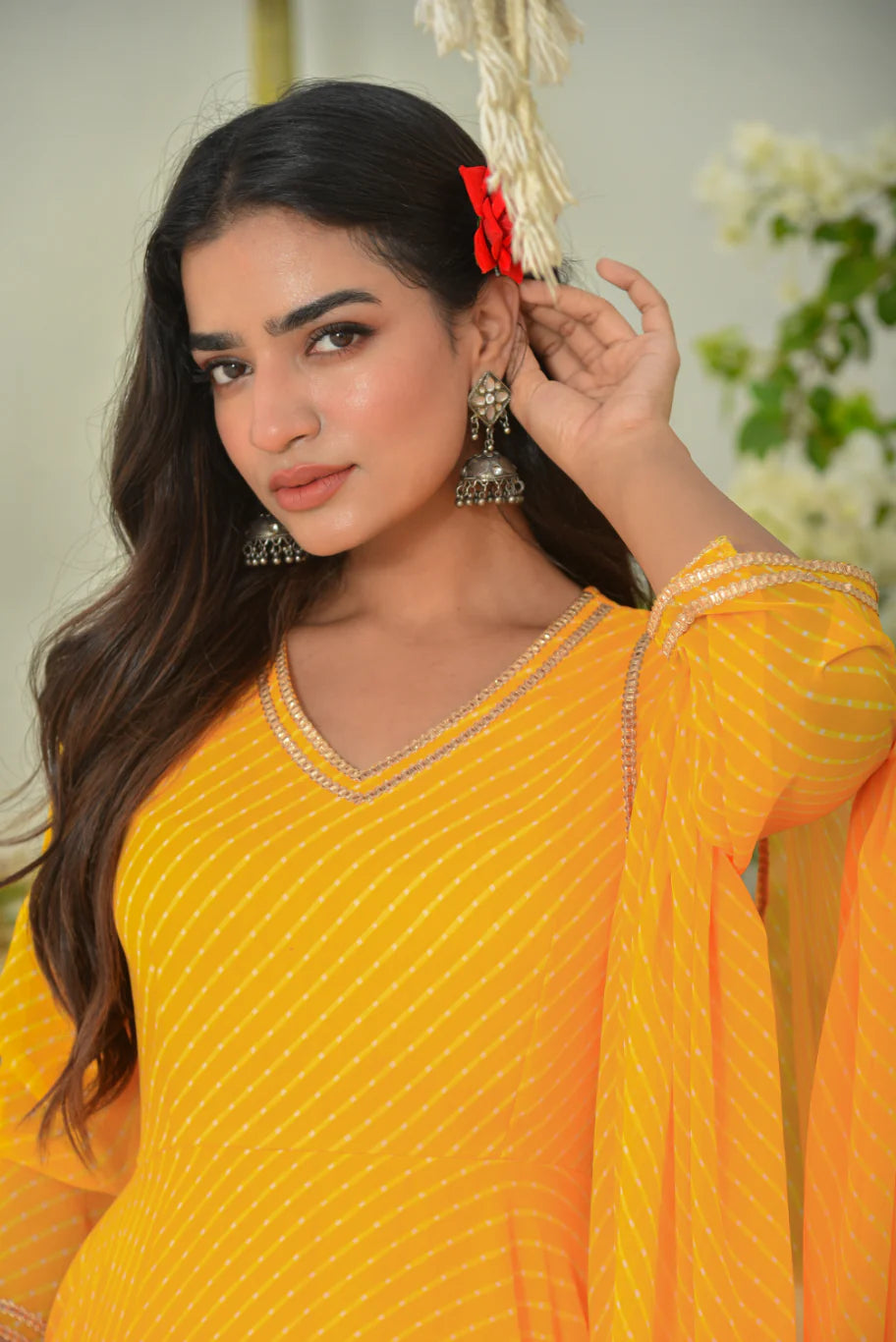
Silk Kurta Sets: When You Want to Look Like a Million Bucks

Silk kurta sets are what you buy when you want to make a statement.
Not a loud statement. A quiet, confident, luxury statement.
The kind where people can't pinpoint what's different. But they know you look expensive.
That's what silk does.
Why Silk Is the Premier Fabric
The sheen. Silk reflects light like no other fabric. A natural glow that synthetic can never replicate. Photographs beautifully. Looks stunning under any lighting.
The drape. Silk falls in a way that flatters bodies. Not stiff, not clingy. A perfect middle ground. Every movement looks graceful.
The feel. Against skin = luxury. There's a reason royalty wore it. That feeling is the same today.
The legacy. Silk has been premium for thousands of years. Across cultures. The significance is built into our collective memory.
Types of Silk in Kurta Sets
Not all silk is created equal:
Chanderi Silk: - Light, sheer with silk threads - Perfect for summer festive - Subtle sheen - Very comfortable - Mid-range price point
Raw Silk: - Slightly textured - More casual than other silks - Easy to maintain - Good durability - Contemporary look
Banarasi Silk: - Heavy, typically with zari work - Maximum traditional luxury - Wedding-grade - Highest price point - Statement pieces
Tussar/Tussah Silk: - Natural gold/cream undertone - Earthy, artisanal feel - Less shiny, more textured - Eco-friendly appeal - Unique look
Mulberry Silk: - Smoothest, most lustrous - Premium of premium - Delicate care needed - For special occasions - Investment pieces
Silk-Cotton Blend: - Best of both worlds - More practical than pure silk - Still has silk's sheen and drape - Easier care - Best value for everyday elegance
When to Wear Silk Kurta Sets
Silk earns its investment when worn to right occasions:
Absolutely yes: - Diwali (THE silk occasion) - Weddings (any function) - Engagement parties - Reception - Karwa Chauth - Religious ceremonies - Family occasions where you want to impress
Probably yes: - Raksha Bandhan (lighter silks) - Office ethnic days (subtle silk) - Festival gatherings - Special dinners
Probably not: - Daily wear (too precious) - Casual outings (overdressed) - Physical activity (too delicate) - Travel (wrinkle management)
Silk is an occasion fabric. Let it be special.
How to Choose Quality Silk
Test 1: The burn test (Only if you can get a small thread) Real silk burns with smell like burnt hair. Fake silk melts like plastic.
Test 2: The touch test Real silk feels cool initially, then warms. Synthetic feels temperature-neutral. Real silk slides smoothly through hands.
Test 3: The shine test Real silk changes color in different angles. Synthetic has fixed shine regardless of angle.
Test 4: The weave test Hold to light—real silk shows irregular weave. Machine-made synthetic is perfectly even.
Best approach: Buy from trusted sources. Cheap "silk" is usually not silk. Price often indicates genuineness.
Styling Silk Kurta Sets
Silk is your canvas. Let it shine:
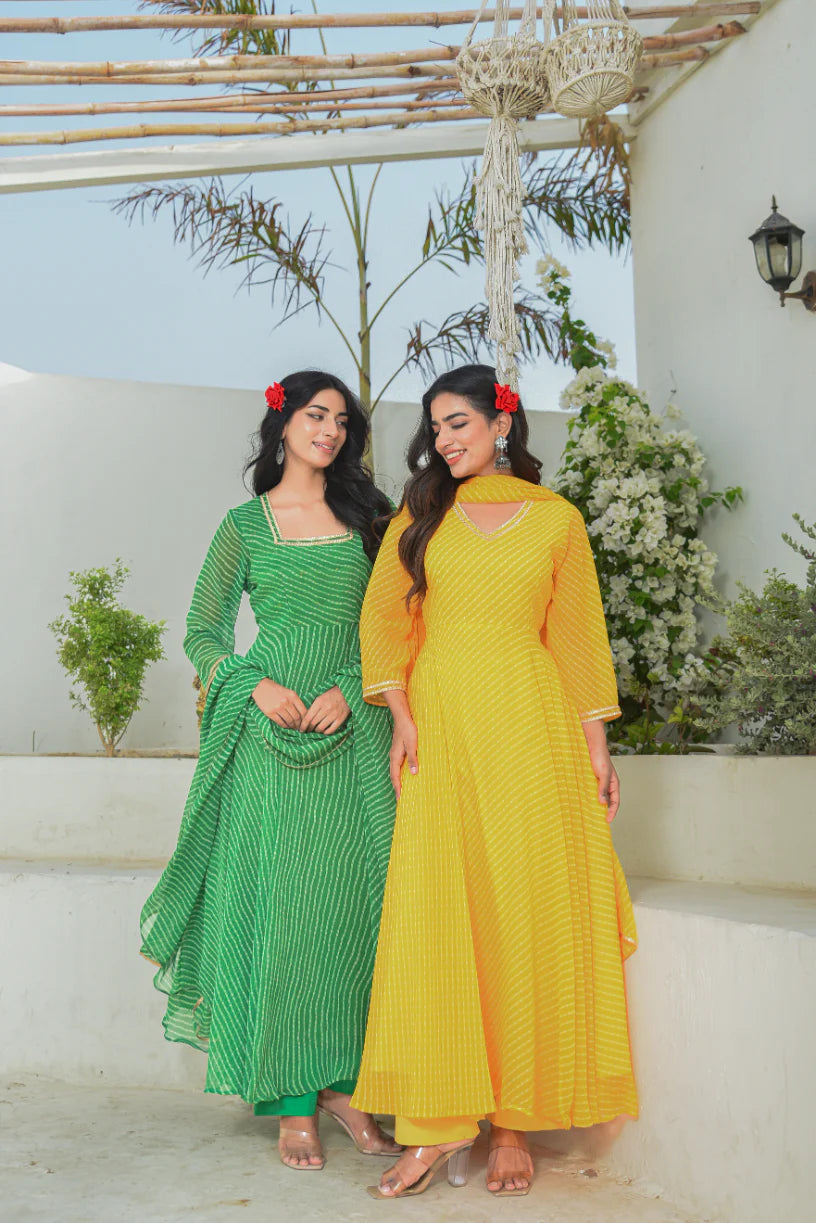
Traditional festive: - Statement jhumkas - Bangles (gold looks best) - Traditional juttis - Hair styled (bun, braid, or curled) - Complete makeup - Let the silk be the hero
Modern festive: - Contemporary jewelry (geometric, minimal gold) - Strappy heels - Sleek hair - Polished makeup - Indo-western vibe
Photo-ready: - Consider background colors - Solid silk photographs better than prints - Statement earrings are must - Makeup that lasts (silk occasions are long)
Caring for Your Silk Investment
Silk needs attention. It's worth it.
After wearing: - Air out immediately - Don't leave crumpled - Check for stains - Store properly before sleeping
Cleaning: - Dry clean preferred for pure silk - Hand wash only if you're confident - Cold water always - Silk-specific detergent - Never wring or twist
Drying: - Never in direct sunlight - Flat dry or hang carefully - Avoid heat
Storage: - Breathable bags (cotton or muslin) - Never plastic long-term - Tissue between folds - Silica gel if humid climate - Refold occasionally to prevent creases
Wrinkle removal: - Steam only (no direct iron) - Iron inside out if needed - Low heat only - Damp cloth barrier
The Cost-Per-Wear Calculation
Silk is expensive. But let's think about this:
Average silk kurta set: ₹5,000-15,000
If you wear it: - 2 times = ₹2500-7500 per wear (expensive) - 5 times = ₹1000-3000 per wear (reasonable) - 10 times = ₹500-1500 per wear (smart) - 15+ times = ₹300-1000 per wear (winning)
The key: Buy silk that you'll actually wear. Not too trendy (dates quickly). Not too limiting (one specific occasion only). Versatile enough to style differently.
Quality silk lasts years. Amortize the investment.
FAQs
Q: How do I know if silk kurta is real silk? A: Real silk is cool to touch, changes color in light, has slight imperfections in weave, and burns like hair not plastic. Price is often an indicator—very cheap "silk" usually isn't.
Q: Is silk kurta set comfortable in summer? A: Light silks like chanderi yes. Heavy Banarasi no. Silk naturally regulates temperature somewhat, but in peak heat, cotton is still better.
Q: Can I wash silk kurta at home? A: Risky but possible. Hand wash in cold water with silk detergent. Don't wring. Dry flat in shade. For expensive pieces, dry clean is safer.
Q: What's the difference between silk and silk blend? A: Silk blend mixes silk with cotton or synthetic fibers. Pure silk is 100% silk—more luxurious but more delicate. Blends are more practical, less expensive.
Q: Which silk is best for festive kurta? A: For major festivals: Banarasi or heavy silk. For lighter occasions: Chanderi or raw silk. Consider weather and event formality when choosing.
Silk kurta sets—because some occasions deserve the very best.
Shop Kurta Sets → Shop Kurta Sets Shop Co-ord Sets → Shop Co-ord Sets Explore New Arrivals → Explore New Arrivals







Leave a comment
This site is protected by hCaptcha and the hCaptcha Privacy Policy and Terms of Service apply.