

Sacred Style: How to Dress for a Temple Visit and Traditional Puja

Read time: 3 min · Last updated: 2026-01-16
Visiting a temple or hosting a Puja at home is a moment of "Pause." It’s when you disconnect from the noise of the world and reconnect with something deeper. Your clothes should reflect that same "Quiet Reverence."
In many Indian traditions, the "Purity" of the fabric you wear is just as important as the purity of your thoughts. You don't want to be "Loud" in a sacred space. You want to be "Graceful."
Here is how to select the right kurta sets for your next spiritual milestone.
The Rule of "Satvik" Colors
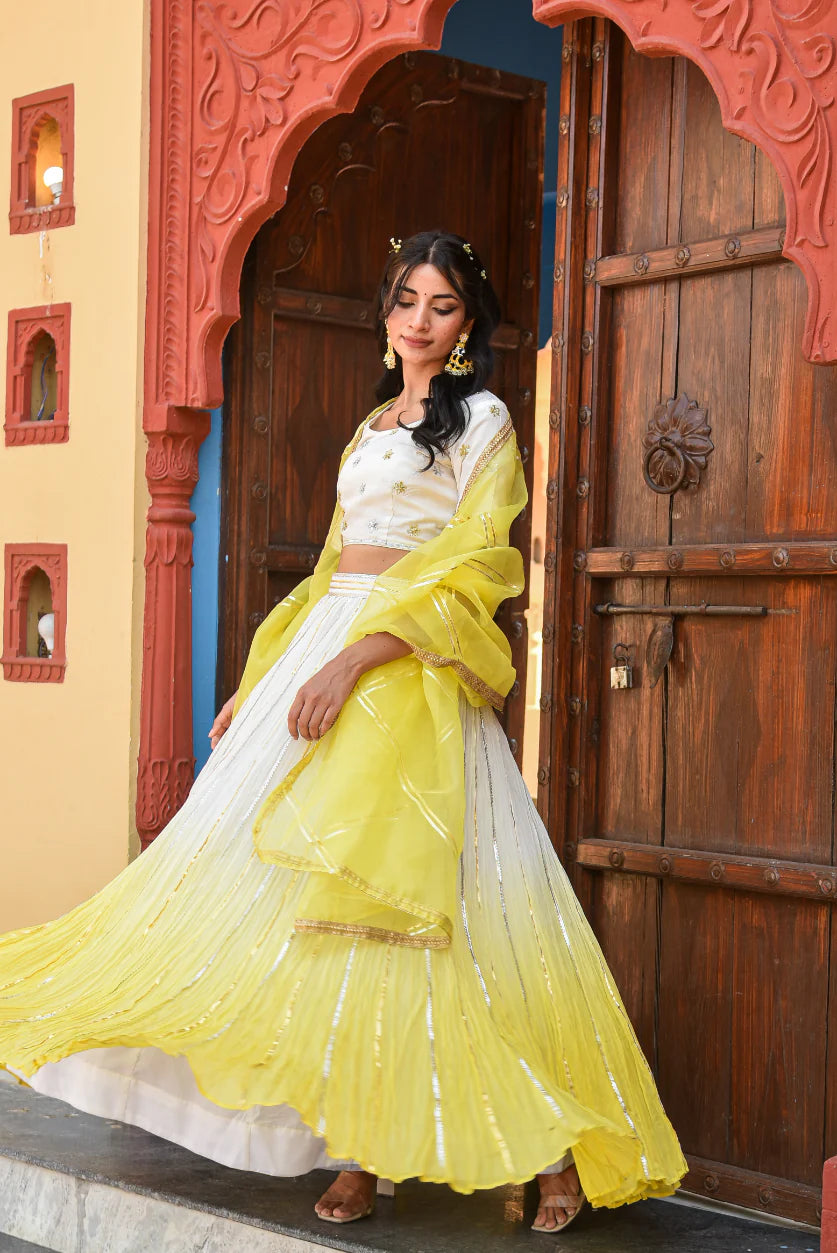
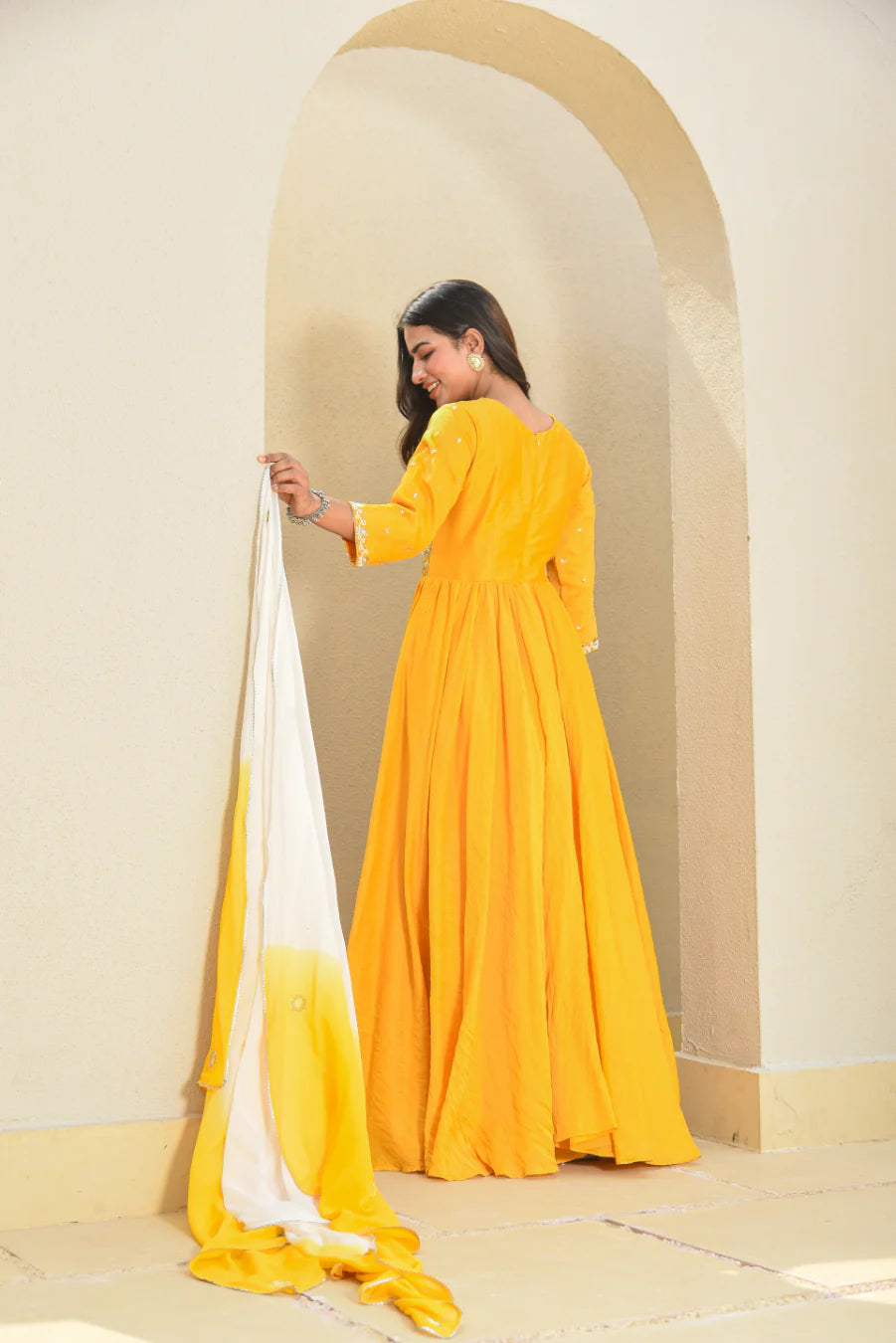
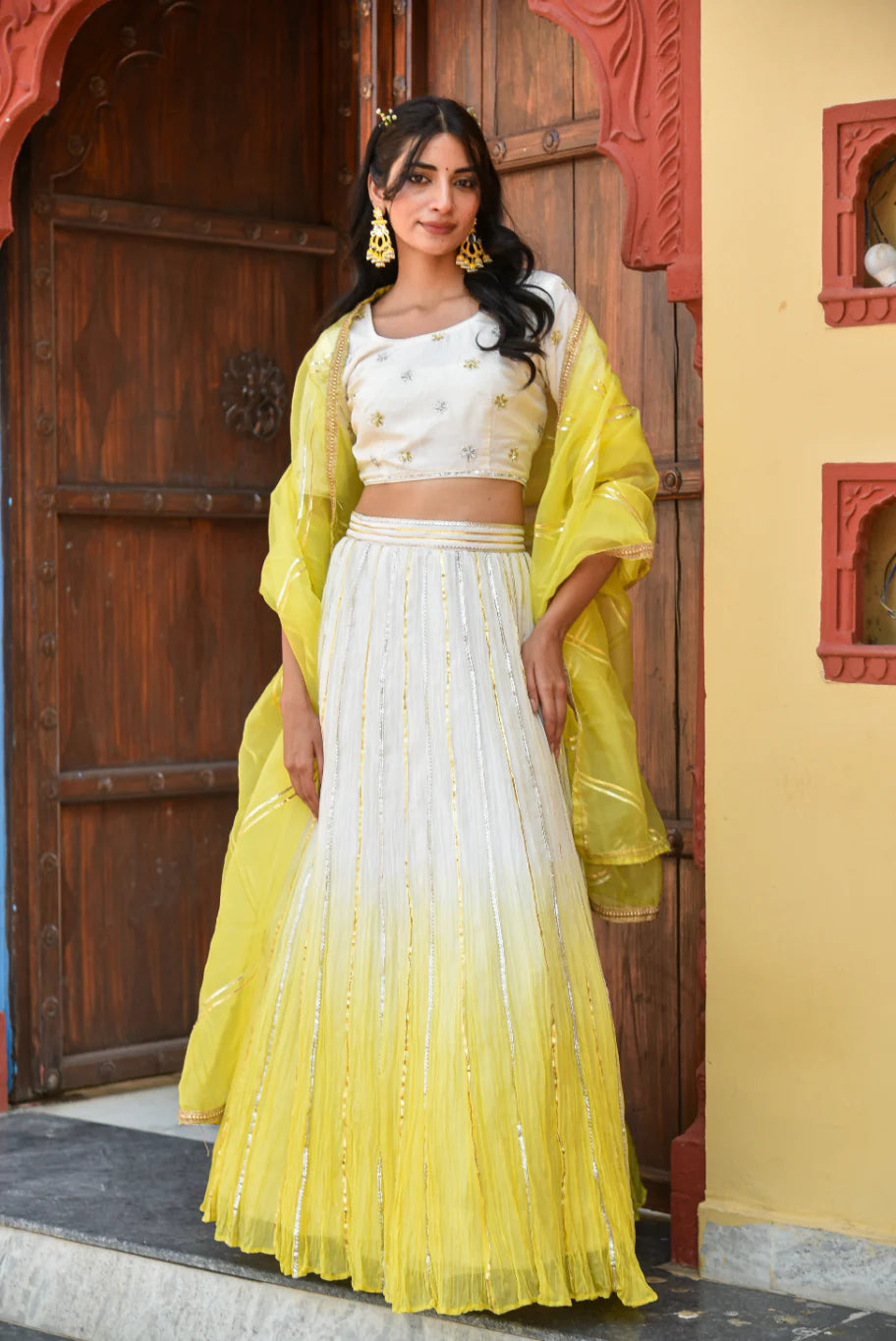
For a Puja, colors have meanings. * White/Off-White: Represents peace and clarity. * Yellow/Saffron: Represents knowledge and auspiciousness. * Red: Represents energy and devotion. Avoid dark Blacks or Greys—they "Absorb" energy, while you want to "Radiate" it during worship.
The "Floor-Ready" Silhouette
Religious ceremonies often involve: * Sitting on the floor for long periods. * Prostrating (Pranam). * Walking around the sanctum (Parikrama). * The Move: Full-flared Anarkalis or loose-fit Salwars. * The Benefit: They provide total coverage and movement. You won't be struggling with a tight waistband or a short hemline while trying to focus on your prayers.
Fabric Selection for the Sacred
Choose Natural Fibers. 1. Mulmul Cotton: The softest, lightest cotton in the world. 2. Pure Silk/Silk-Blends: Silk is considered "Sacred" in many Indian scriptures. It’s the traditional choice for high rituals. Avoid polyester or nylon—they are "Chemical" and can feel hot and sweaty in a temple filled with oil lamps (Diyas) and crowds.
The Dupatta: An Essential Protocol
In a temple, covering your head (or having it ready to be covered) is a sign of deep respect. * The Tip: Choose a set with a full-length, high-quality Cotton or Silk-blend dupatta. Ensure it has a bit of "Weight" (like a Zari border) so it stays on your head and doesn't slide off easily.
FAQs
Q: Can I wear sleeveless to a temple? A: Generally, it’s better to avoid it. Three-quarter or full sleeves are considered more respectful and traditional in a spiritual setting.
Q: Best footwear for a temple visit? A: Something easy to slip on and off. You’ll be leaving your shoes at the gate. Avoid expensive leather juttis if you're worried about them being moved—go for simple, stylish Kolhapuris.
Q: Is jewelry allowed? A: Yes, but keep it traditional. Gold, silver, or Tulsi-bead necklaces are perfect. Skip the "Trendy/Fashion" jewelry.
Step into the divine with grace and peace in our respectfully-styled collection of traditional kurta sets.
Shop Traditional Styles → Shop Kurta Sets Check Our Size Guide → View Size Guide
Case Studies
Work-to-Dinner in a Hurry — Gurugram
Neutral co-ord + loafers by day; swap to strappy heels and cuff at night.
Wedding Guest in the Rain — Mumbai
Viscose-blend kurta set with ankle hems and rubber-soled block heels—no drags, clean photos.
Temple Ceremony Minimalism — Chennai
Plain Kanjeevaram-inspired saree, delicate gold, and low bun—elegant and respectful.
Buying Checklist
-
Shoulders clean, bust ease, hem length right for your shoes
-
Breathable lining; test arm movement and sit/stand
-
One neutral piece to mix across outfits
City Notes
-
India: Pick breathable fabrics and repeatable colors.
-
Global: Pick breathable fabrics and repeatable colors.
Ready to build your look? Explore New Arrivals
Related Reads
- The 100-Blog Milestone: Building Your Forever Collection of Kurta Sets
- The 125-Blog Milestone: Why We Obsess Over the Details of Kurta Sets
- The 150-Topic Manifesto: Why We Built the Encyclopedia of the Kurta Set
- The Silver Jubilee Gift: Why Premium Kurta Sets are the Best 25th Anniversary Present
- The Golden Year: What to Wear for Your 50th Birthday Celebration






Leave a comment
This site is protected by hCaptcha and the hCaptcha Privacy Policy and Terms of Service apply.