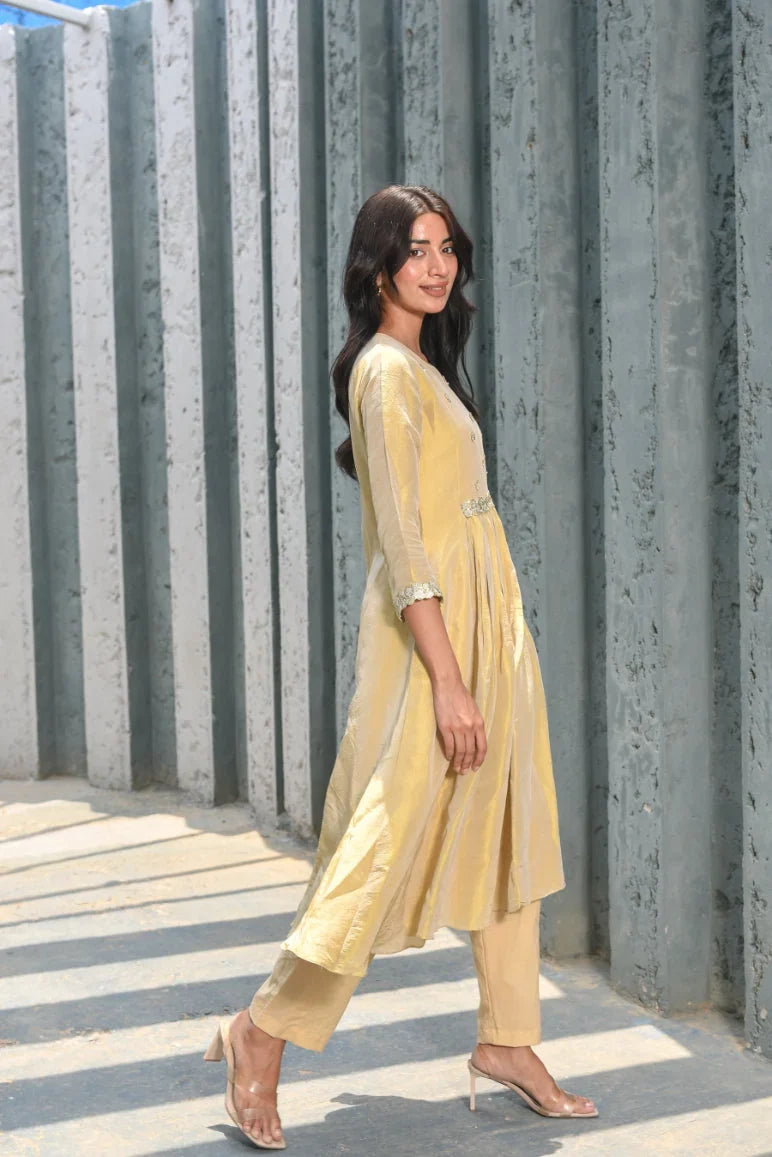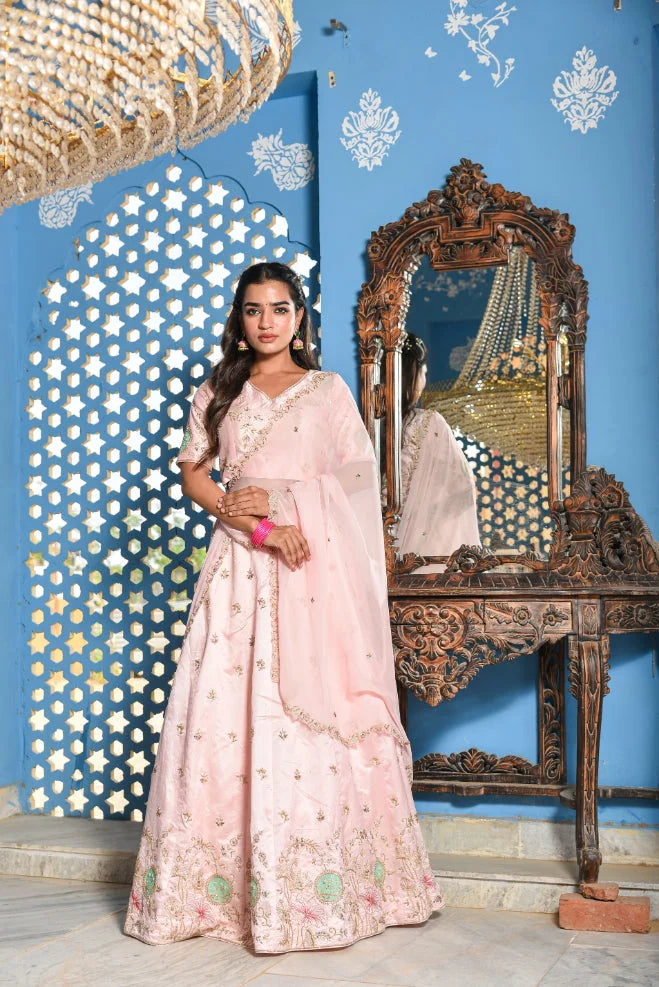

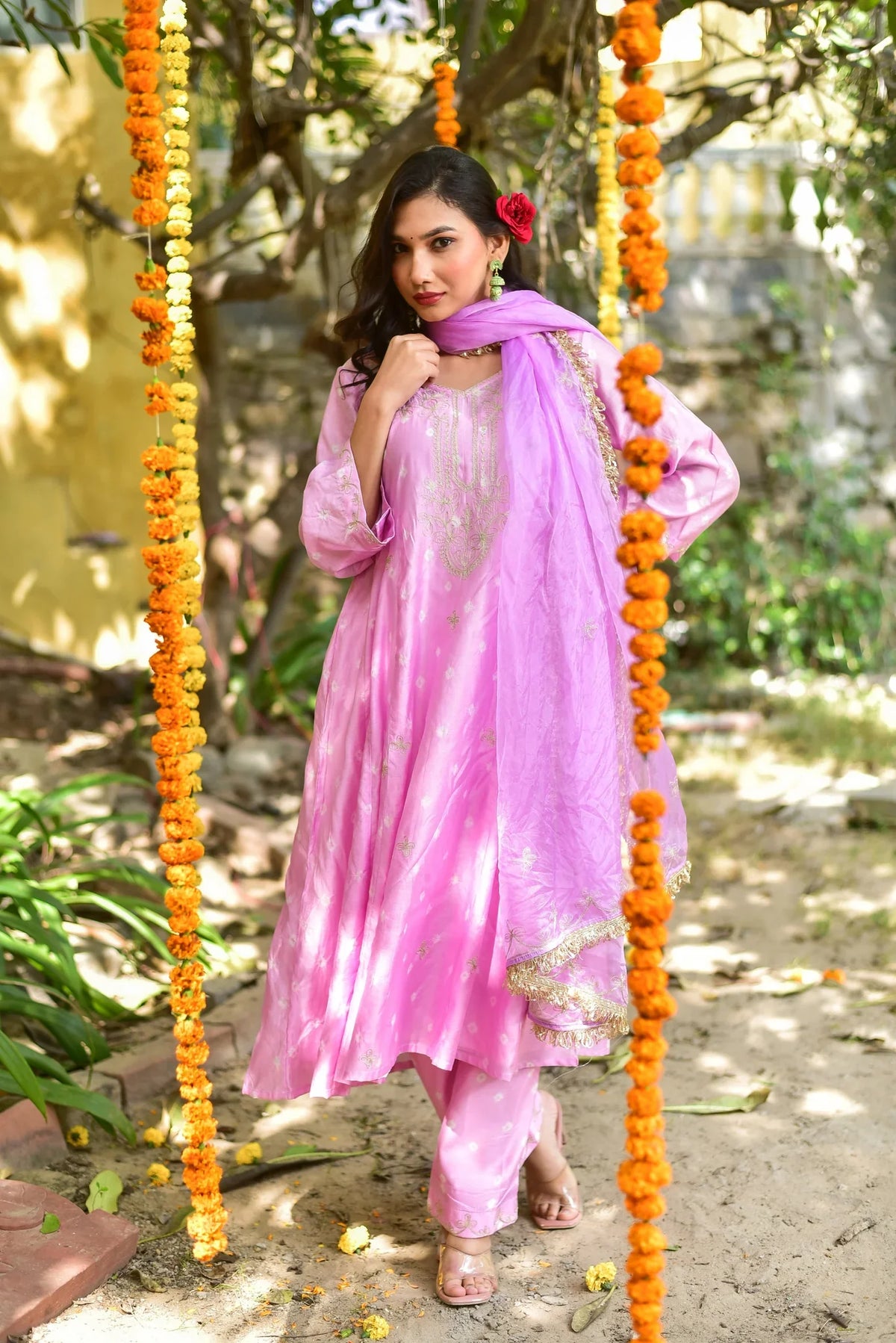
How to Accessorize Your Ethnic Wear Without Looking Overdone
Updated: August 2026 | Written by: Saroj Jain Styling Team
"I bought this beautiful kurta set but now I have no idea what jewellery to wear with it."
We hear this at our JP Nagar boutique at least three times a day. Accessorizing ethnic wear is where most of us second-guess ourselves.
Too much and you look like a walking jewellery display. Too little and the outfit feels unfinished. After years of styling customers for weddings, festivals, and family gatherings, here is what actually works.

Key Takeaways
- Follow the 3-piece rule: wear no more than three statement jewellery pieces at once
- Match metal tones to your outfit's embroidery for a pulled-together look
- Let heavy embroidery breathe: minimal accessories work best with ornate outfits
- Earrings should complement your neckline, not fight against it
- A structured potli or clutch completes an ethnic look better than a sling or shoulder bag
Why Does Accessorizing Ethnic Wear Feel So Tricky?
Because ethnic outfits already carry a lot of visual weight. Embroidery, prints, borders, dupatta drapes. There is already plenty happening before you add a single bangle.
The trick is not to match everything. It is to let the outfit lead and use accessories to support it. Think of accessories as punctuation, not the headline.
At our boutique, we ask one question before recommending jewellery: "What part of this outfit do you want people to notice first?" The answer tells us everything.
What Is the 3-Piece Rule for Ethnic Jewellery?
The 3-piece rule is simple: pick three focal points maximum from your entire jewellery collection. That could be earrings, bangles, and a ring. Or a statement necklace, earrings, and a maang tikka.
The moment you add a fourth statement piece, the look shifts from intentional to cluttered. We have seen this rule save bridesmaids from looking over-accessorized more times than we can count.
For a Bandhej kurta set, two pieces are often enough. The tie-dye pattern is already the star. A pair of chandbalis and a stack of bangles completes the look without competing.
How Do You Match Jewellery to Embroidery Work?
Match the metal, not the colour. If your outfit has gold zari work, wear gold-toned jewellery. If the embroidery leans silver or has mirror work, stick to silver or white metal.
For Chikankari or thread embroidery, you have more freedom. The white threadwork acts as a neutral, so both gold and silver work. Pearl jewellery looks especially refined with chikankari because it echoes the thread's softness.
A heavily embroidered outfit like our Blue Mastani Anarkali Set needs almost nothing. Small studs, a single kada, and you are done. The embroidery does all the talking.
Which Earrings Work With Different Necklines?
This is the most common styling question we get. Here is the quick version:
- V-neck kurtas and deep necklines: Statement jhumkas or chandbalis that end above the neckline
- Round or boat necks: Long danglers or chandelier earrings to elongate the neck
- High necks and mandarin collars: Skip the necklace entirely; go with studs or small jhumkas
- Off-shoulder or sweetheart: Chandelier earrings plus a delicate choker
Jewellery and Accessory Matching Guide
| Jewellery Item | Best For | Skip With |
|---|---|---|
| Jhumkas / Chandbalis | V-necks, kurtas, sarees, anarkalis | Heavy neck embroidery, high collars |
| Statement Necklace | Plain kurtas, solid lehengas, deep necks | Embroidered necklines, choker-style blouses |
| Maang Tikka | Lehengas, anarkalis, bridal sarees | Casual day kurtas, office ethnic wear |
| Bangles / Kadas | 3/4 sleeves, sleeveless, bare wrists | Full sleeves, heavy embroidered sleeves |
| Kamarband / Waist Belt | Plain lehengas, silk sarees | Heavily embroidered lehengas, shararas |
What Bag Works Best With an Ethnic Outfit?
A structured potli or a box clutch. Always. A sling bag or shoulder bag cuts across the silhouette and breaks the line of a saree or lehenga drape.
For daytime functions like a haldi or mehendi, a fabric potli in a contrasting colour adds a playful touch. For evening events, a metallic or embroidered clutch looks intentional and polished.
One thing we always tell customers: your bag does not need to match your outfit. A contrasting clutch often looks more stylish than a matchy-matchy one.
What to Avoid When Accessorizing Ethnic Wear
- Matching sets from head to toe. A full matching jewellery set looks dated. Mix pieces from different sets for a more modern look.
- Wearing a watch with heavy bangles. Choose one. A watch fights for wrist space and usually loses.
- Too many colours in one look. If your outfit has three colours, your jewellery should stick to one metal tone.
- Ignoring the occasion. A maang tikka at a casual puja looks out of place. Save statement pieces for weddings and receptions.

Saroj Jain Picks: Outfits That Make Accessorizing Simple
Baby Pink Bandhej Kurta Set: The tie-dye pattern gives you a natural focal point. Two accessories are enough: chandbalis and a set of glass bangles. The outfit does the rest.
Blue Mastani Anarkali Set: Heavy gota and zari embroidery means accessories should step back. Small gold studs, one statement ring, and a gold potli. That is it.
Both are available at sarojjain.com and at our JP Nagar boutique.
FAQs
Can I wear silver jewellery with a gold-embroidered outfit?
It is better to match the metal tone. Gold embroidery calls for gold-toned jewellery. Mixing metals can work if the outfit has both gold and silver elements, but it is risky. When in doubt, match.
How many bangles should I wear on each hand?
For a kurta set, 4 to 6 bangles on one wrist is plenty. For a lehenga or saree, you can go up to 8 to 10 if the sleeve allows. But never fill both wrists equally. Asymmetry looks more intentional.
Should my dupatta colour match my jewellery?
Not necessarily. Your jewellery should echo your outfit's embroidery, not your dupatta. The dupatta is an accessory itself. Treat it as part of the outfit, not a separate piece to match.
What footwear completes an ethnic look?
Juttis or mojaris for kurtas and anarkalis. Heeled sandals for lehengas and sarees. Block heels are more comfortable than stilettos for long events. Always break in new footwear before the event day.
Is it okay to wear no jewellery at all?
Yes, if the outfit is heavily embroidered. A statement outfit like a zari anarkali or a gota-work lehenga looks refined with just small studs or even bare ears. The outfit is the jewellery in that case.
Still unsure about styling your outfit? Visit us at our JP Nagar boutique or explore the full collection at sarojjain.com. You can also WhatsApp us at +91 9314078524 for a quick styling consultation. We help you get it right.