
How to Choose the Right Fabric for Indian Ethnic Wear | Saroj Jain
How to Choose the Right Fabric for Indian Ethnic Wear
Updated: July 2026
Written by: Saroj Jain Styling Team
If you have ever stood in front of a wardrobe full of sarees and kurtas and still felt you had nothing to wear, the fabric is probably the reason. A stunning design in the wrong fabric feels uncomfortable within an hour. The right fabric makes an ordinary silhouette feel extraordinary. At our JP Nagar boutique, we spend nearly as much time talking about fabric as we do about fit. Here is what we tell every customer who walks in.

Key Takeaways
- Silk suits winter weddings and evening events. Cotton and chanderi work for daytime and summer functions.
- Georgette drapes well and suits most body types. Tissue fabric adds volume without weight for lehengas and sarees.
- Match fabric to the season: breathable cottons for humid months, silks and brocades for winter celebrations.
- Always check the lining when buying online. A good lining changes how a fabric behaves on your body.
Silk: When You Want the Outfit to Do the Talking
Silk is what most of our bridal clients gravitate toward. It catches light in a way that photographs beautifully. But silk is not one thing. Banarasi silk has a heavy, structured drape that holds its shape through hours of sitting and standing. Raw silk has a matte finish and breathes better than processed silk. Tussar silk is lighter, with a natural texture that works well for daytime wedding events.
We recommend silk for receptions, cocktail parties, and winter weddings. In Bangalore's humidity, a pure silk saree can feel sticky by 2 PM. Save it for evening functions or air-conditioned venues. If you love the look but need breathability, ask for a silk blend. Many of our clients choose silk-cotton blends for sangeet and mehendi functions where they want sheen without the sweat.
Cotton and Chanderi: The Everyday Heroes
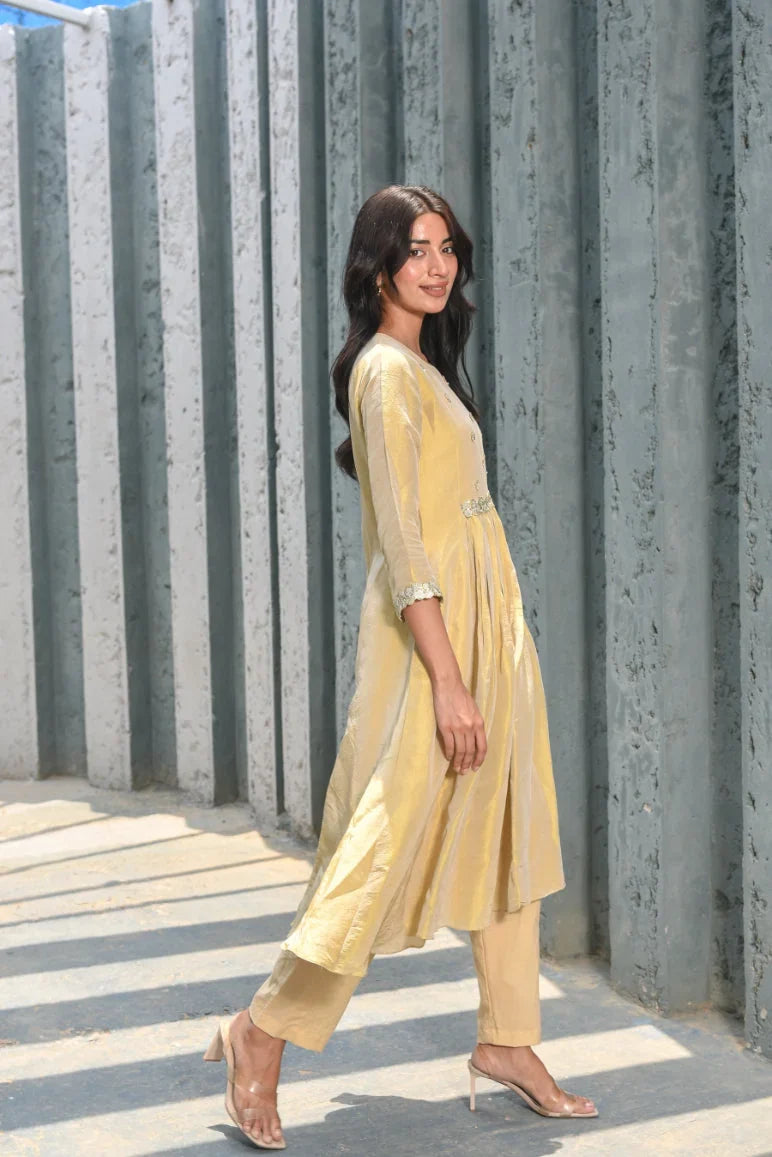
Cotton is what you reach for when comfort is non-negotiable. It breathes. It moves with you. A well-tailored cotton kurta set looks polished without trying too hard. Chanderi is cotton's more dressed up cousin. It is a traditional handwoven fabric from Madhya Pradesh that combines cotton with a hint of silk or zari. The result is a lightweight fabric with a subtle sheen that works for office wear, poojas, and daytime family gatherings.
At our boutique, we stock chanderi kurtas more than any other fabric because they solve a real problem: looking festive without feeling heavy. Women who attend three or four functions in a week during wedding season keep coming back for chanderi. It packs well, does not crush easily, and photographs with a soft glow that silk sometimes overdoes.
Georgette and Crepe: Drape Without the Weight
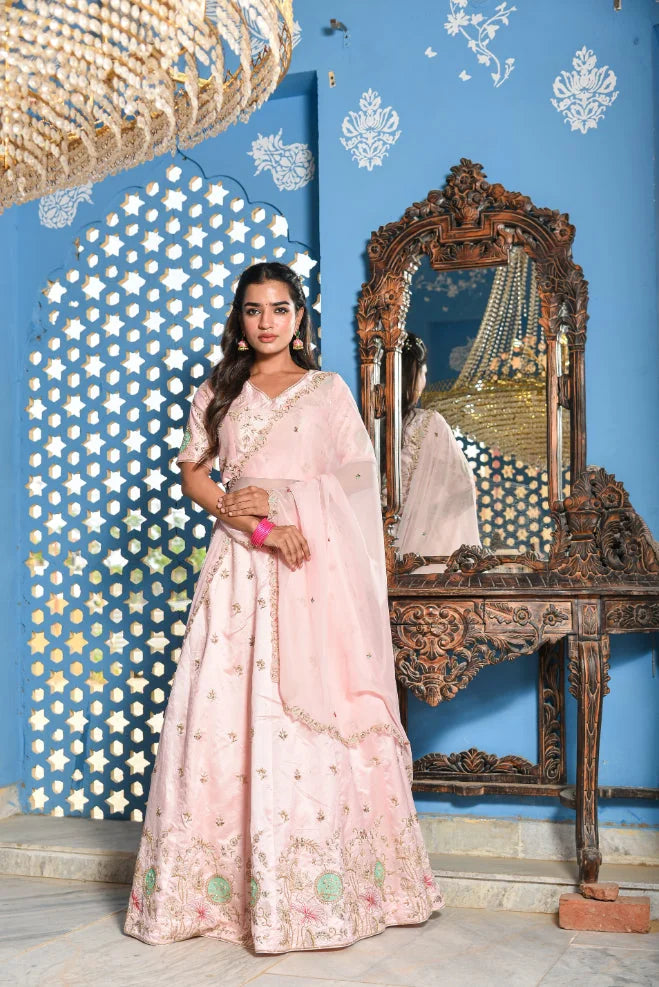
Georgette is our go-to recommendation for sarees and lehengas when the client wants drape but not bulk. It is a lightweight, slightly crinkled fabric that falls beautifully without clinging. Georgette sarees are forgiving on most body types and easy to manage for someone who does not wear sarees regularly. Crepe is similar but with a smoother finish and a bit more body. Both fabrics work across seasons.

We often suggest georgette lehengas for bridesmaids who will be on their feet all day. Unlike heavy silk, georgette does not fatigue you by hour three. For sarees, georgette gives beginners a lot of room for error. The pleats stay put. The pallu does not slide off every five minutes. A crepe gown or kurta set holds its shape beautifully for evening events where you want a sharp silhouette.
Tissue Fabric: Volume Without Weight
Tissue fabric is having a moment in Indian ethnic wear and for good reason. It is a lightweight, semi-sheer fabric woven with metallic threads that create a natural shimmer. Tissue lehengas and sarees look grand but weigh almost nothing. We recommend tissue for destination weddings, summer receptions, and any event where you want to look dressed up without being weighed down. A tissue dupatta over a plain kurta set adds instant festive flair.
Quick Comparison: Which Fabric Should You Pick?
| Fabric | Best For | Season | Body Type Suitability |
|---|---|---|---|
| Silk | Receptions, cocktail, bridal wear | Winter, evenings | All; heavier silks add structure |
| Cotton | Office, day events, casual festive | Summer, monsoon | All; structured cuts for curves |
| Chanderi | Day weddings, poojas, festive | All seasons | All; excellent for petite frames |
| Georgette | Sarees, lehengas, bridesmaid wear | All seasons | Excellent for all body types |
| Crepe | Party gowns, evening wear | All, best in moderate weather | Slimming effect; good for curvy figures |
| Tissue | Destination weddings, summer events | Summer, destination | Adds volume; flattering on slim frames |
What to Avoid When Choosing Ethnic Wear Fabric
Do not buy silk without checking the lining. A cheap polyester lining ruins the drape and makes you sweat through the event. Do not pick a heavy lehenga for a daytime outdoor function. You will regret it by the second hour. Do not assume all cotton is equal. Handloom cotton breathes differently from mill-made cotton. Ask before you buy.
At our boutique, we always ask two questions before recommending a fabric: where will you wear this, and how long will you be in it? The answers usually narrow the choices down to two fabrics. From there, it is about colour and budget. Most customers find their answer within five minutes of trying on different fabrics side by side.
FAQs
Which fabric is best for a summer wedding?
Chanderi and georgette are our top picks for summer weddings. Both are lightweight, breathable, and look festive without the weight of silk. Tissue fabric also works well for evening summer events where you want a little shimmer without the heaviness of brocade.
Can I wear silk in the monsoon?
We do not recommend pure silk for monsoon weddings. Humidity can cause silk to lose its crispness, and rain spots leave permanent marks. If you must wear silk, choose a silk blend. Better options are georgette, crepe, or chanderi which handle humidity without losing their shape or sheen.
What fabric is most forgiving for saree beginners?
Georgette, hands down. It holds pleats well, does not slip easily, and drapes neatly without much adjusting. Cotton sarees are also beginner-friendly but require more starching to hold their shape. Avoid pure silk sarees until you have worn a saree four or five times and feel confident with the drape.
How do I store silk sarees to prevent damage?
Store silk sarees in a dry, dark place wrapped in muslin cloth. Never use plastic covers. They trap moisture and cause yellowing. Unfold and refold them every three to four months along different crease lines. Add silica gel packets during monsoon months. Keep them away from direct sunlight and mothballs.
Is tissue fabric only for lehengas?
No. Tissue fabric is used for sarees, dupattas, and even kurtas now. A tissue dupatta over a plain cotton kurta set adds instant festive flair without adding weight. Tissue sarees are growing popular for destination and beach weddings because they look grand but feel light enough to wear for hours.
Still unsure which fabric suits your next event? Browse our collections at sarojjain.com or visit us at the JP Nagar boutique. We will help you find the right fabric for your body type, occasion, and budget. You can also reach us on WhatsApp for virtual styling. Explore our boutique work at lookbook.sarojjain.com.