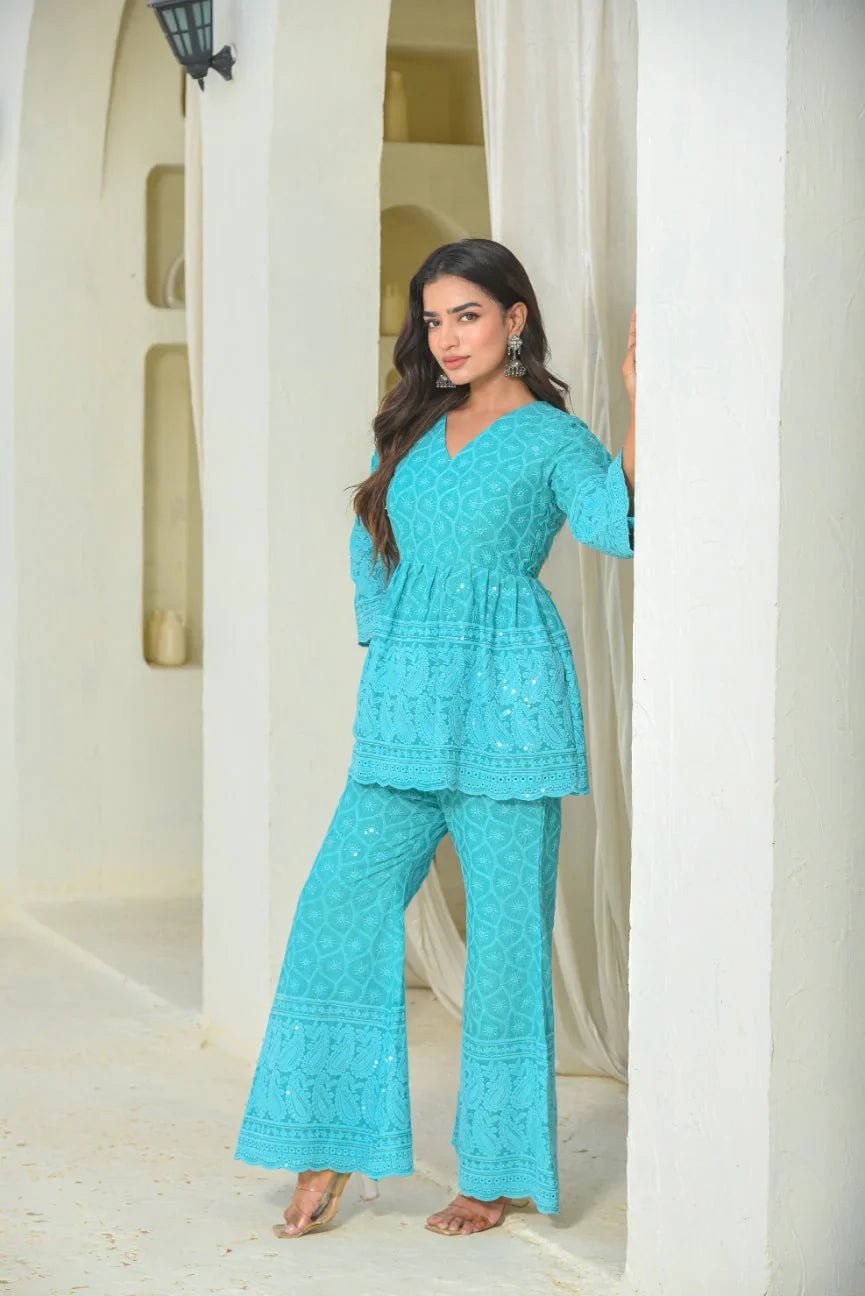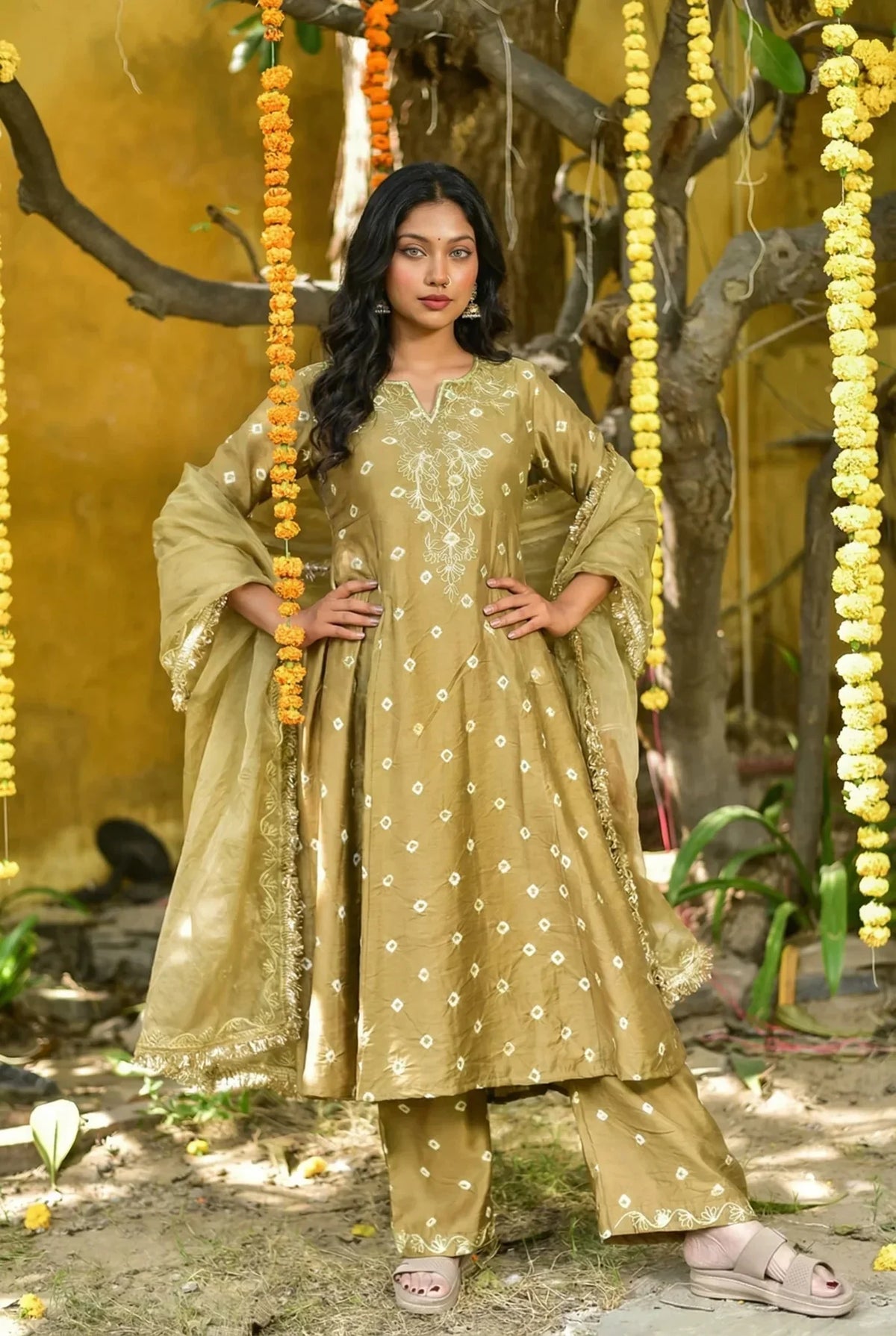


How to Choose the Right Fabric for Indian Ethnic Wear: Silk, Cotton, Georgette & More
Every week at our JP Nagar boutique, customers walk in holding a photo on their phone and say: "I want this exact look."
The design is usually right. The fabric choice is often not.
That is the part nobody talks about. The same anarkali silhouette in silk drapes completely differently than it does in georgette. One makes you feel regal for two hours. The other lets you dance at a sangeet for five.
This guide covers the fabrics we actually work with every day at Saroj Jain. No textile textbook definitions. Just what we have learned from thousands of fittings.
Key Takeaways
- Silk drapes heavy and formal. Best for receptions and winter weddings. Not for outdoor daytime functions.
- Georgette and crepe give you movement without weight. Our go-to recommendation for sangeets and cocktail events.
- Chanderi and cotton breathe. Ideal for mehendi, haldi, and Bangalore's humid months.
- Tissue silk adds structure and subtle shimmer. Works beautifully for pre-wedding shoots and engagement ceremonies.
- 95% of fabric regrets come from picking what looks good on a hanger instead of what feels good after two hours of wear.
Silk: When You Want to Feel Like the Occasion Matters
Silk is the fabric most of our bridal clients ask for by name. It has natural sheen, holds embroidery beautifully, and photographs like nothing else.
But silk is also unforgiving. It traps heat. It wrinkles if you sit for more than twenty minutes. It shows sweat marks in flash photography.
We recommend silk for: evening receptions, winter weddings, and events where you will mostly stand or walk. Not for: outdoor daytime functions, mehendi ceremonies where you sit on the floor, or humid Bangalore afternoons.

Georgette and Crepe: The Dancers
If silk is the fabric of ceremony, georgette is the fabric of celebration. It moves with you. It flows when you twirl. It does not trap body heat the way silk does.
Crepe sits somewhere between georgette and silk. It has the drape of georgette with a slightly heavier fall. We use crepe a lot for cocktail dresses and modern lehenga silhouettes.
At our boutique, georgette shararas and crepe co-ord sets are the pieces bridesmaids reach for first. They want to look put-together without feeling stiff. These fabrics give them that.
Chanderi: The Heritage Fabric That Breathes
Chanderi comes from Madhya Pradesh and has been woven for centuries. It is a blend of silk and cotton . light enough for summer, polished enough for a daytime wedding function.
What we love about chanderi at Saroj Jain: the subtle gold zari motifs woven into the fabric itself. You do not need heavy embroidery when the base fabric already has character.
Our most-picked chanderi pieces are kurta sets in ivory, mint, and pastel pink. They work for office Diwali lunches, brunch mehendis, and any occasion where you want to look festive without looking like you tried too hard.
Cotton: The Fabric Nobody Regrets
Cotton is the most underrated fabric in Indian ethnic wear. Everyone wants silk for weddings. But the outfit people actually reach for again and again? Cotton kurtas.
Bangalore's weather makes cotton the practical choice for at least eight months of the year. It breathes. It washes easily. It does not need special storage.
Our bandhej and block-printed cotton kurta sets are among the most reordered pieces we stock. Customers buy one for a festival, then come back for two more in different colors.

Tissue Silk: The Secret Weapon for Pre-Wedding Events
Tissue silk is a lighter, more translucent version of silk with a crisp texture and subtle sheen. It holds structure beautifully without the weight of traditional silk.
We recommend tissue silk sarees and lehengas for engagement ceremonies, pre-wedding shoots, and daytime receptions. It photographs beautifully in natural light and does not crease as dramatically as pure silk.
Fabric Comparison Table
| Fabric | Weight | Best For | Avoid If |
|---|---|---|---|
| Silk | Heavy | Receptions, winter weddings, formal evening events | Outdoor daytime, humid weather, floor-seating functions |
| Georgette | Light | Sangeet, cocktail, dancing-heavy events | Very formal receptions where heavy drape is expected |
| Crepe | Medium | Cocktail dresses, modern lehengas, evening events | Traditional ceremonies where heritage fabrics are preferred |
| Chanderi | Light-Medium | Day weddings, brunch mehendis, festive office wear | Heavy-embroidery looks, winter evening events |
| Cotton | Light | Haldi, mehendi, everyday festive, summer events | Formal evening receptions, bridal wear |
| Tissue Silk | Light | Engagements, pre-wedding shoots, daytime receptions | Events where you need heavy drape, heavy rain |
What We Tell Every Customer About Fabric
Three things matter more than anything else when picking fabric for an Indian ethnic outfit:
1. The timeline of your event. Are you sitting on the floor for a two-hour puja? Skip silk. Standing and mingling at a cocktail? Georgette or crepe is perfect.
2. Bangalore weather. If your function is between March and October in this city, factor in humidity. Cotton blends and chanderi will serve you better than silk nine times out of ten.
3. Your actual movement. If you plan to dance, pick a fabric that moves. Georgette shararas and crepe lehengas give you that. Silk will fight you after the third song.
FAQs About Indian Ethnic Wear Fabrics
Which fabric is best for a summer wedding?
Chanderi and lightweight cotton-silk blends are our top picks for summer weddings. They breathe, they photograph well, and they do not leave you drenched by the varmala. At our boutique, we steer summer brides toward chanderi lehengas and tissue silk sarees over heavy silk.
Can I wear georgette to a formal reception?
Yes, if the georgette piece has enough embroidery or embellishment. A plain georgette saree might feel too casual for a formal reception. But an embroidered georgette lehenga with zari work? That holds its own beautifully. The key is the work on the fabric, not just the fabric itself.
How do I store silk sarees during monsoon?
Never store silk in plastic covers. Use cotton muslin bags. Keep them in a dry cupboard with silica gel packets. Unfold and refold them once a month to prevent permanent crease lines. If you spot any white patches or a musty smell, bring the saree to a dry cleaner immediately. Mildew spreads fast.
What is the difference between tissue silk and organza?
Tissue silk is lighter, softer, and has a more subtle shimmer. Organza is stiffer and has a more pronounced sheen. Tissue drapes closer to the body. Organza holds its shape and creates volume. For sarees and dupattas, tissue silk gives a more fluid look. For structured lehengas and gowns, organza works better.
Is cotton too simple for a wedding function?
Not if it is done right. A hand-embroidered cotton chikankari kurta set in ivory or pastel looks more refined than a poorly-fitted synthetic silk suit. Cotton with gota work, bandhej, or block printing can absolutely work for haldi, mehendi, and daytime wedding events. It is about the craftsmanship, not just the base fabric.
Still not sure which fabric suits your event? Browse our collections at sarojjain.com or visit our boutique in JP Nagar, Bangalore. We will help you find the right fabric for your occasion. WhatsApp us at +91 9314078524 for a virtual consultation.