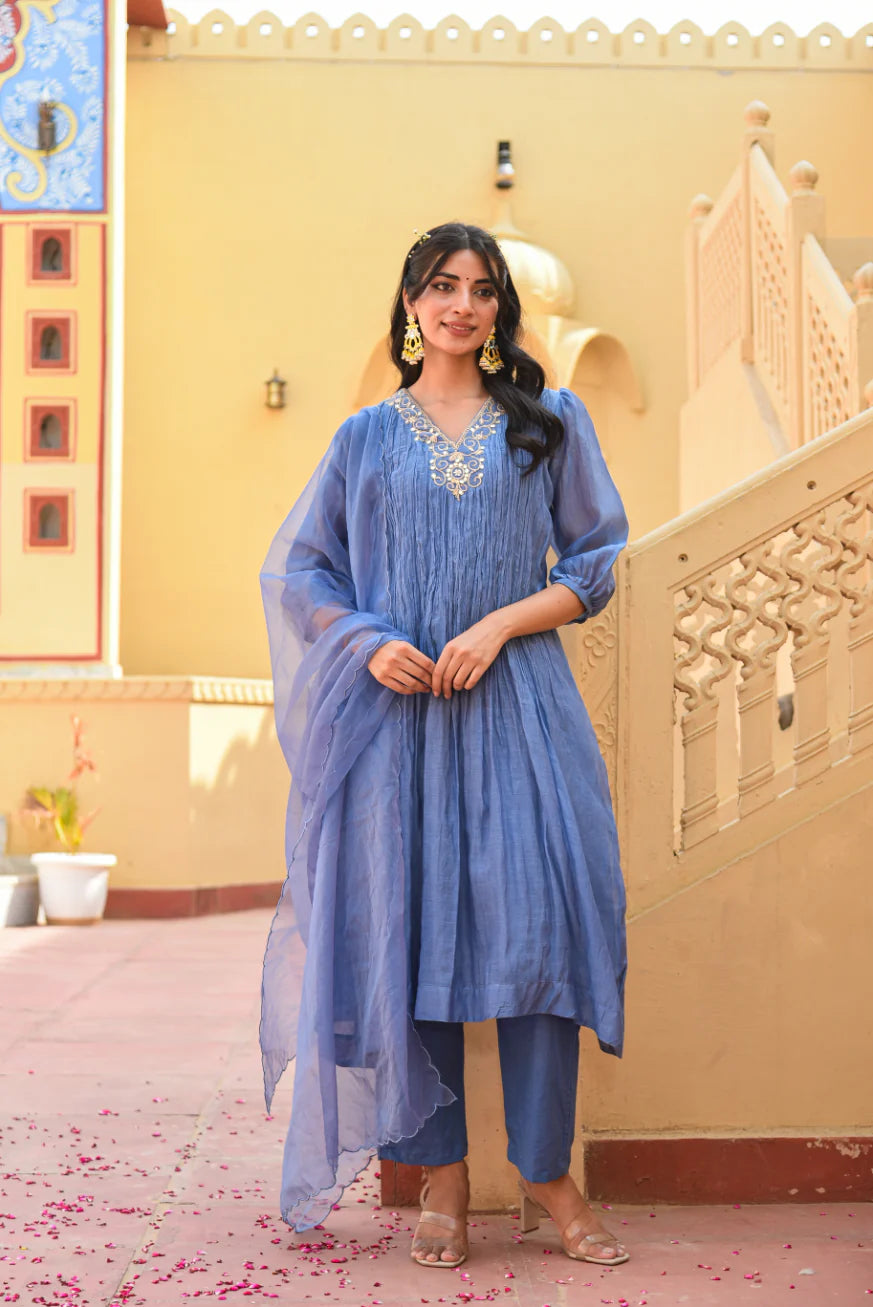

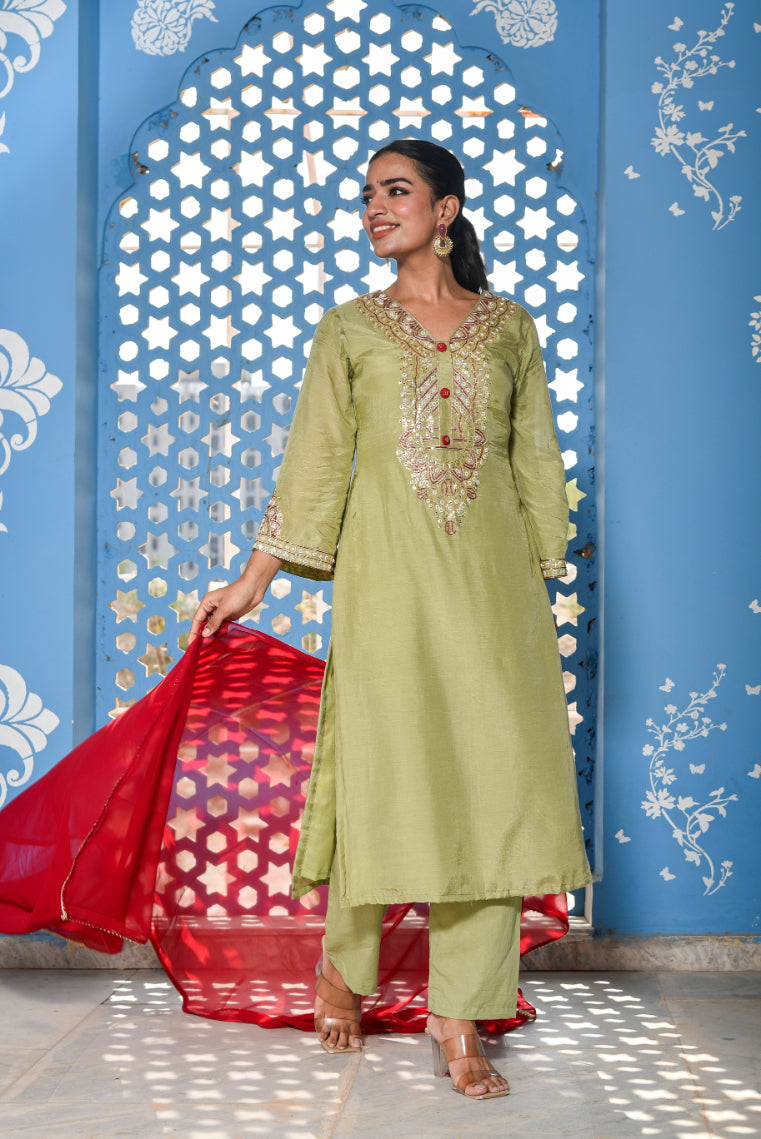
The History of Cotton in India: From Indus Valley to SAROJ JAIN

Cotton is the DNA of India. Long before it was a global commodity, it was a local miracle. We were the first to grow it, the first to spin it, and the first to dye it with the colors of the earth. From the archaeological finds of the Indus Valley to the modern looms of SAROJ JAIN, cotton has been our National Signature. In the modern wardrobe, it’s the "Eternal Choice." You want "The Weight of Five-Thousand Years."
The History of Cotton is your roadmap to understanding why an Indian woman in a cotton set is a living monument to history.
The Historical Milestones (2026)
To understand your SAROJ JAIN set, you must understand where it came from:
1. The Indus Valley Origins (3000 BCE)
Archaeologists found cotton scrap in Mohenjo-daro—dyed with madder root. That’s five thousand years of the same "Earthy Red" we still use in our Natural Dye Range today. We aren't following trends; we’re continuing a legacy.
2. The Mughal "Air" (16th Century)
The Mughals obsessed over "Dacca Muslin"—a cotton so fine a 10-meter piece could fit into a snuff box. This is the ancestor of our Mulmul Magic series. We use the same high-count logic to create that "Weightless" feel.
3. The Chintz Revolution (17th Century)
Indian hand-painted and hand-blocked cottons (Chintz) conquered the world’s markets. The world wanted our colors and our comfort. Our Artisan Block-Print series is a direct descendant of the Chintz that revolutionized global fashion.
4. The SAROJ JAIN Innovation (2026)
We take this 5000-year knowledge and combine it with modern technology. We use High-Speed Mercerization and Low-Impact Dyes to ensure the legacy is sustainable for the next 5000 years.
Why SAROJ JAIN Cotton is more Historical
We don't "Forget" the craft. Most brands treat cotton as an industrial product. SAROJ JAIN treats it as Heritage. We work with weaving clusters that have been operating since the colonial era. We use Traditional Block Motifs that have been passed down for generations. When you wear our cotton, you’re wearing the physical timeline of the country.
Top "Legacy" Picks from SAROJ JAIN
1. The Madder Red Hand-Block Set
The closest you can get to the Mohenjo-daro origins. Pure, earthy, and historically deep.
2. The Ivory "Muslin-Touch" Mulmul Set
A modern tribute to the Mughal obsession with weightlessness and air.
3. The Indigo Dabu-Print Straight Set
The absolute standard of Indian artisan craft, bridging the gap between ancient chemistry and modern style.
Pro Tip: The "Storytelling" Style
Next time someone compliments your SAROJ JAIN set, tell them a piece of its history. Tell them about the madder root or the indigo vat. In the world of high-status fashion, "The Knowledge of the Original" is the ultimate mark of class.
FAQs
Q: Is Indian cotton still the best in the world? A: Yes. Our climate and our thousand-year knowledge of the weave make Indian long-staple cotton the global benchmark for luxury ethnic wear.
Q: Are your prints based on historical designs? A: Yes. Many of our block sets use "Sanganeri" and "Bagru" motifs that are centuries old.
Q: Why choose SAROJ JAIN for your historical connection? A: Because we believe that your story is the ultimate fashion statement.
Honor the weave. Honor the soul.
Discover Textile Legacy → SAROJ JAIN Heritage
Case Studies
Work-to-Dinner in a Hurry — Gurugram
Neutral co-ord + loafers by day; swap to strappy heels and cuff at night.
Wedding Guest in the Rain — Mumbai
Viscose-blend kurta set with ankle hems and rubber-soled block heels—no drags, clean photos.
Temple Ceremony Minimalism — Chennai
Plain Kanjeevaram-inspired saree, delicate gold, and low bun—elegant and respectful.
Buying Checklist
-
Shoulders clean, bust ease, hem length right for your shoes
-
Breathable lining; test arm movement and sit/stand
-
One neutral piece to mix across outfits
City Notes
- India: Pick breathable fabrics and repeatable colors.
Ready to build your look? Explore New Arrivals