
How to Coordinate Family Outfits for Festive Celebrations | Saroj Jain
How to Coordinate Family Outfits for Festive Celebrations
Updated: July 2026 | Written by: Saroj Jain Styling Team | Reviewed by: Saroj Jain Boutique Team
Getting your whole family coordinated for a wedding or festive event without looking like a uniform is a common struggle at our JP Nagar boutique. We see parents walk in with separate ideas, and the challenge is finding pieces that complement each other without matching exactly. This guide walks you through how we help families put together looks that feel intentional, not forced.
- Pick one colour family and vary shades across family members instead of matching exactly.
- Coordinate fabric weight and formality level so no one looks overdressed or underdressed.
- Use accessories like dupattas, pocket squares, and jewellery to bridge different outfits.
- Consider the event type and time of day before choosing silhouettes for each person.
- Start outfit planning 2-3 weeks before the event to allow time for custom stitching and alterations.
What Is Family Outfit Coordination?
Family outfit coordination means dressing two or more members in a way that looks connected without being identical. It is not about buying the same fabric for everyone. It is about choosing pieces that sit well together in colour, formality, and style. At our boutique, around 1 in 3 families who come in for wedding shopping ask for coordination help (based on what we see, July 2026).

How to Pick a Colour Palette for the Family
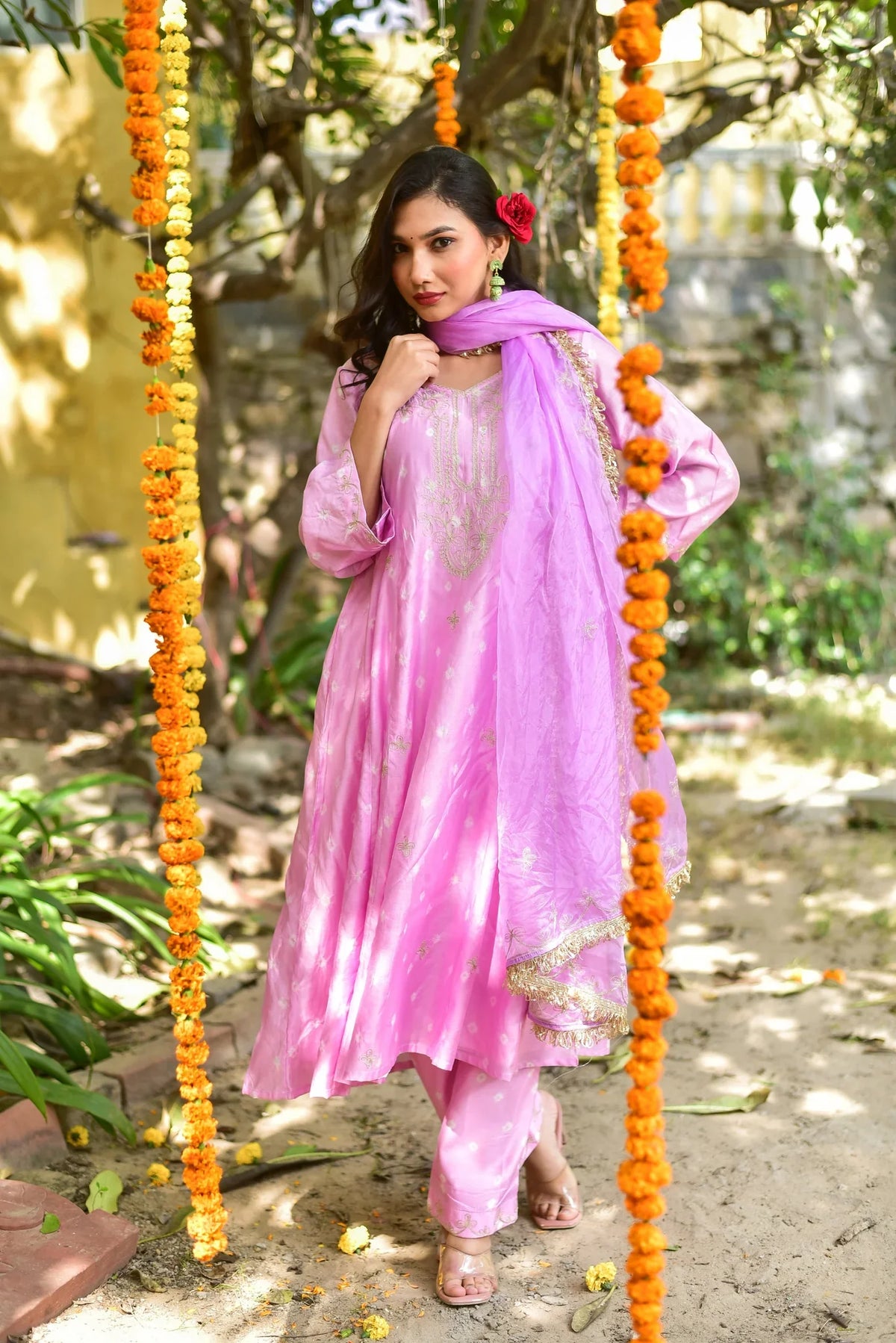
Start with one anchor colour that suits the person who will be most photographed, usually the bride or the mother. From there, pick two to three complementary shades. For example, if the anchor colour is peach, the rest of the family can wear ivory, dusty rose, and soft gold. Stay away from more than three main colours otherwise the group photo looks busy. We recommend testing the palette by laying all outfits side by side before the event.
Which Fabrics Work Best for Group Coordination?
Fabric matters as much as colour. A person in heavy silk standing next to someone in light cotton will look mismatched even if the colours align. For evening events, stick with silk, organza, or tissue. For daytime functions, choose chanderi, cotton silk, or crepe. Here is a quick comparison:
| Event Type | Recommended Fabric | Why It Works |
|---|---|---|
| Evening wedding | Silk, tissue, organza | Holds shape, catches light, formal finish |
| Daytime sangeet | Chanderi, cotton silk | Breathable, drapes well, comfortable for dancing |
| Cocktail reception | Crepe, georgette | Flowing silhouette, easy movement, elegant fall |
| Morning haldi | Cotton, chikankari | Lightweight, easy to sit on floor, absorbs little heat |

How to Accessorize as a Group
This is where coordination becomes visible. If the women wear gold jewellery, the men should wear gold watches or cufflinks. If the dupatta has zari work, the men's safa or pocket square should pick up the same metallic thread. Small touches like a matching potli bag for the sister and a brooch for the brother connect the looks without shouting. We keep a range of coordinating accessories at the boutique for exactly this reason.
What to Avoid When Coordinating Family Outfits
Do not dress everyone in the exact same colour and fabric. It looks like a corporate uniform, not a family celebration. Do not mix casual and formal silhouettes. If one person wears a full lehenga and another wears a simple kurta, the formality mismatch stands out. Also avoid choosing the outfit only for the photo. We have seen families pick colours that look great in pictures but leave someone uncomfortable for six hours. Comfort comes first.
FAQs
Can I plan family outfits just a week before the event?
Start at least two to three weeks before the event. Custom stitching takes 7 to 10 days, and alterations can add another 3 to 4 days. Last minute coordination usually means settling for whatever is available.
Can the mother and daughter wear the same colour?
Yes, as long as the silhouettes and fabric weights differ. A mother in a silk saree and a daughter in a crepe anarkali in the same maroon shade can look beautiful together. The difference in drape creates visual interest.
Should the groom coordinate with his family or the bride?
Traditionally the groom coordinates with his own family for pre-wedding functions and with the bride for the main wedding event. For receptions, both families often pick a shared colour theme. We recommend asking both sides early to avoid clashes.
What if family members have different budgets?
Coordinate through colour and accessories instead of identical outfits. One person can wear a ready-made kurta set while another wears a custom stitched lehenga. The same colour palette ties them together regardless of budget.
How many outfit changes should a family plan for a wedding weekend?
For a typical Indian wedding weekend with haldi, mehendi, sangeet, wedding, and reception, each family member needs 4 to 5 outfits. At least two of those should be coordinated with the rest of the family. The others can be individual choices.
Planning a family celebration? Browse our anarkali sets, co-ord sets, and kurta sets for the whole family or visit our JP Nagar boutique for a personal styling session. We help families put looks together in under an hour.
Shop Bandhej Kurta Set | Chat with us on WhatsApp | Book a boutique consultation