

How to Coordinate Family Outfits for Indian Functions: A Stylist's Guide
At our JP Nagar boutique, we see families walk in together every week. Mothers, daughters, sisters . all trying to figure out how to look coordinated without wearing the exact same thing. The question is always the same: "How do we match without being matchy?" Here is what we tell them after eight years of dressing families for weddings, receptions, and festivals.

Key Takeaways
- Pick ONE colour family, not identical outfits . it photographs better and looks intentional.
- Fabrics should match in weight and occasion level, not necessarily colour.
- The mother of the bride sets the tone . everyone else coordinates around her outfit.
- Kids under 12 do not need heavy embroidery. Lightweight, comfortable fabrics keep them happy through the function.
Pick One Colour, Not One Outfit
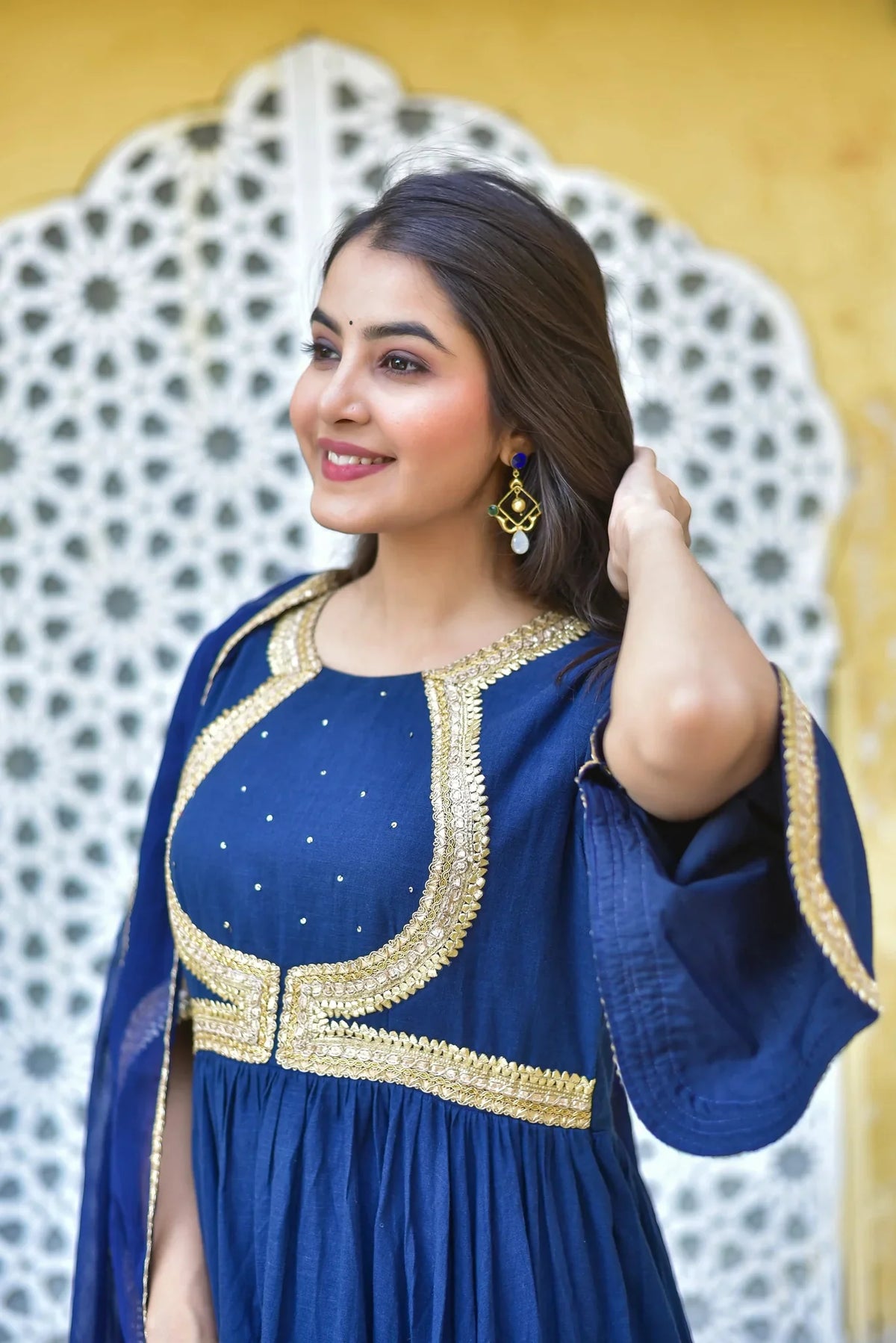
The biggest mistake families make is buying the same fabric for everyone and stitching identical outfits. It looks forced in photos and no one feels like themselves. Instead, pick one colour family. If the bride's mother is wearing a rani pink lehenga, her daughter could wear a blush pink sharara and her sister a dusty rose anarkali. Three shades of pink, three distinct silhouettes . coordinated, not cloned.
The Fabric Rule Most People Miss
Fabric weight matters more than colour for family photos. If one person is in heavy raw silk and another in lightweight chiffon, the looks clash even if the colours match. Silk pairs with silk. Georgette with georgette. Chanderi with chanderi. At our boutique, we always ask what the mother of the bride is wearing first. That sets the fabric weight for everyone else.
What Works for Different Family Roles
Mother of the bride: The anchor. Rich fabrics, traditional embroidery, full silhouette. A zari silk anarkali or a Banarasi saree sets the right tone.
Sisters and cousins: Lighter versions of the anchor colour. A sharara or co-ord set in a softer shade keeps things connected without competing.
Kids: Comfort over coordination. A cotton kurta set in a shade from the family palette, with zero heavy embroidery. They will run, sit on the floor, and fall asleep in it.
The groom's family: Contrast is better than matching. If the bride's side is in pinks, the groom's side in teals or blues creates a beautiful visual balance.
| Approach | Looks | Feels | Best For |
|---|---|---|---|
| Identical outfits | Stiff, staged | No one comfortable | Rarely works . skip it |
| Same colour, different shades | Flowing, intentional | Everyone like themselves | Weddings, receptions, sangeet |
| Contrasting palette | Striking, editorial | Bold statement | Engagement shoots, cocktail parties |
| One accent colour shared | Subtle, clever | Effortlessly put together | Mehendi, haldi, daytime functions |
Saroj Jain Picks for Family Functions
For the Anchor: Beige Zari Silk Anarkali Set

Why it works: The beige base is neutral enough to anchor a family palette, and the zari work adds the gravitas a mother of the bride or groom needs. Best for: Mothers, elder sisters taking the lead role. Style with: Gold jhumkas and a potli bag.
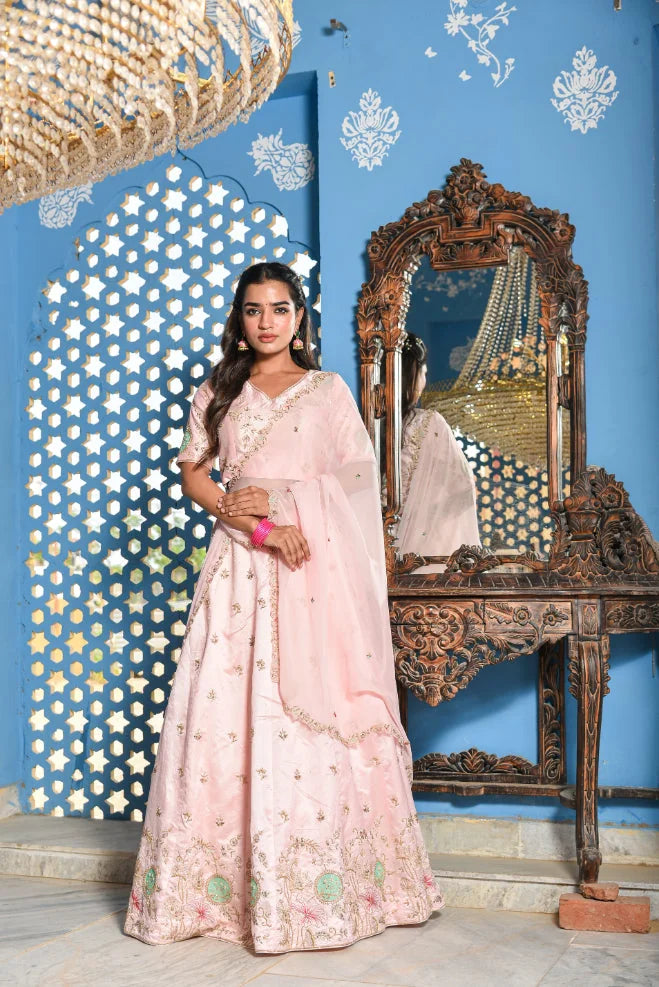
For Sisters: Blush Pink Heavy Embroidery Lehenga Set
Why it works: The blush tone reads as a softer version of deeper pinks . perfect for sisters coordinating around a rani pink anchor. The embroidery is festive without being bridal. Best for: Sisters, cousins, bridesmaids. Style with: Kundan choker and heeled juttis.
What to Avoid
- Sequins on sequins: One heavily embellished person per family photo. More than one and the picture turns into a glitter competition.
- Matching dupatta drapes: It looks like a dance troupe. Let each person drape their dupatta the way that suits their outfit.
- Forcing kids into heavy lehengas: We have watched too many toddlers cry in 2-kilo lehengas. Light cotton, minimal embroidery, elastic waists.
FAQs
Can families wear completely different colours and still look coordinated?
Yes. Share one accent colour across everyone . the same border colour on dupattas, the same threadwork colour in embroidery, or the same jewellery metal. The eye picks up the thread even when the base colours differ.
What if the bride wants everyone in the same colour?
We recommend three shades of that colour across the group. Same colour reads flat in photos. Gradient reads like a styling choice.
How do you coordinate without buying everything from the same place?
Agree on the colour family and fabric weight first. Share swatch photos in a family WhatsApp group. At our boutique, we often style three or four family members while the rest source from their own wardrobes around the same brief.
Should the groom match the bride's family?
Not directly. A sherwani in a complementary colour looks far better than trying to match the bride's lehenga shade exactly. Navy with pink, cream with maroon, ivory with green . these pairings photograph beautifully.
What is the one thing that always ruins family photos?
Different fabric weights in the same frame. One person in heavy brocade, another in tissue crepe . the lighting hits them differently and the group looks disjointed. Match fabric weight first, colour second.
Still figuring out your family's look? Browse our collections at sarojjain.com or WhatsApp us at wa.me/919314078524. We style families for weddings every week at our JP Nagar boutique . we will help you get it right.